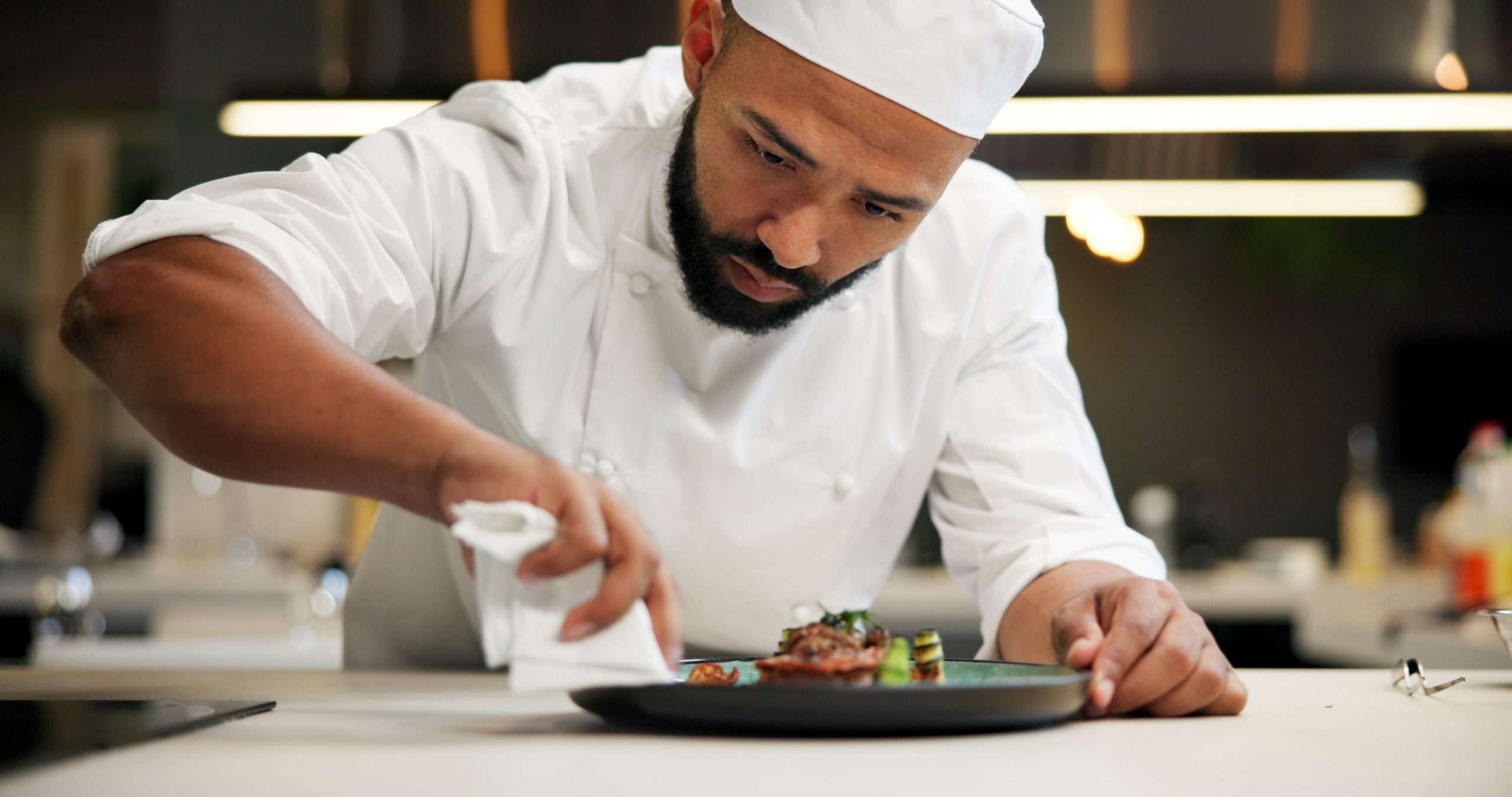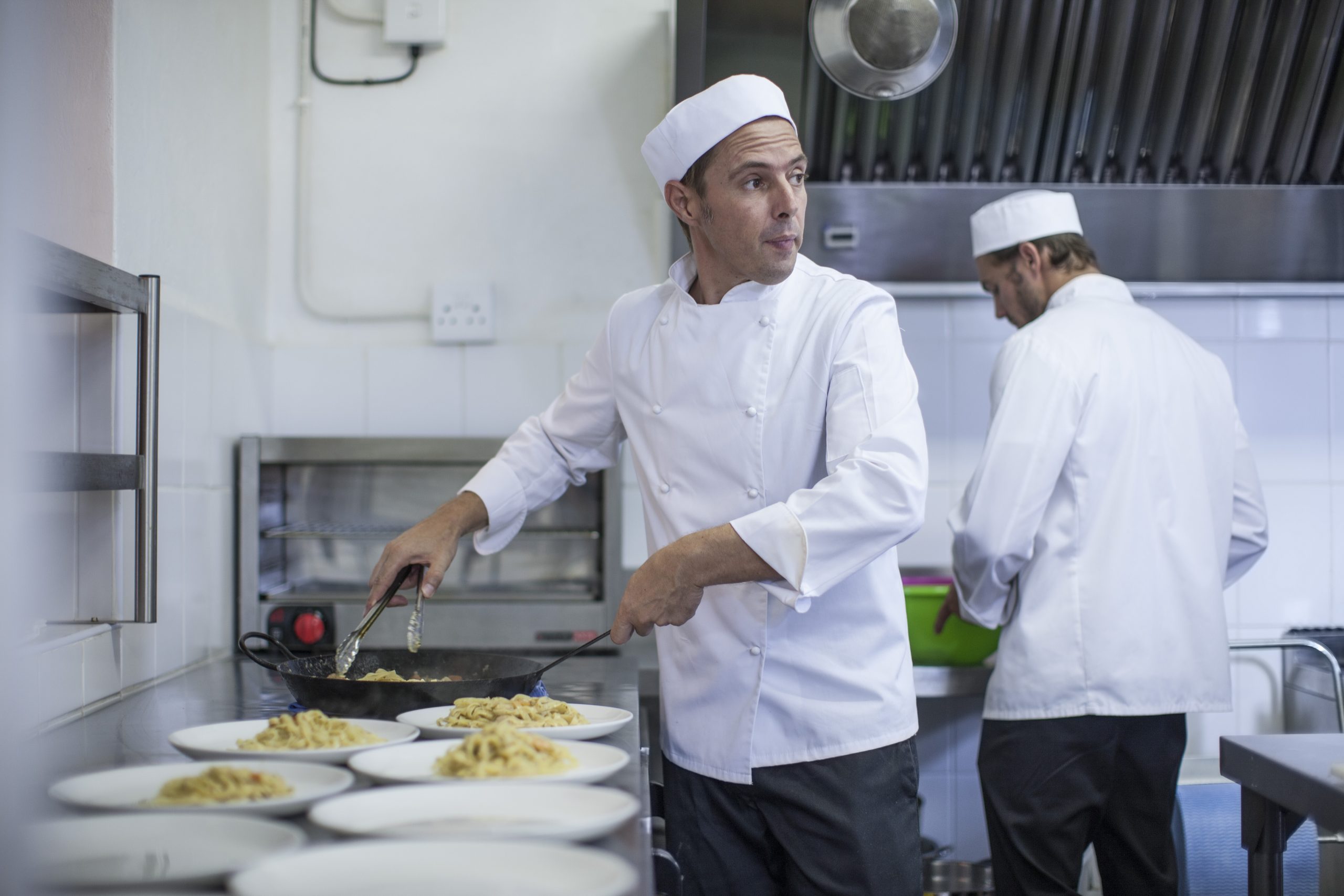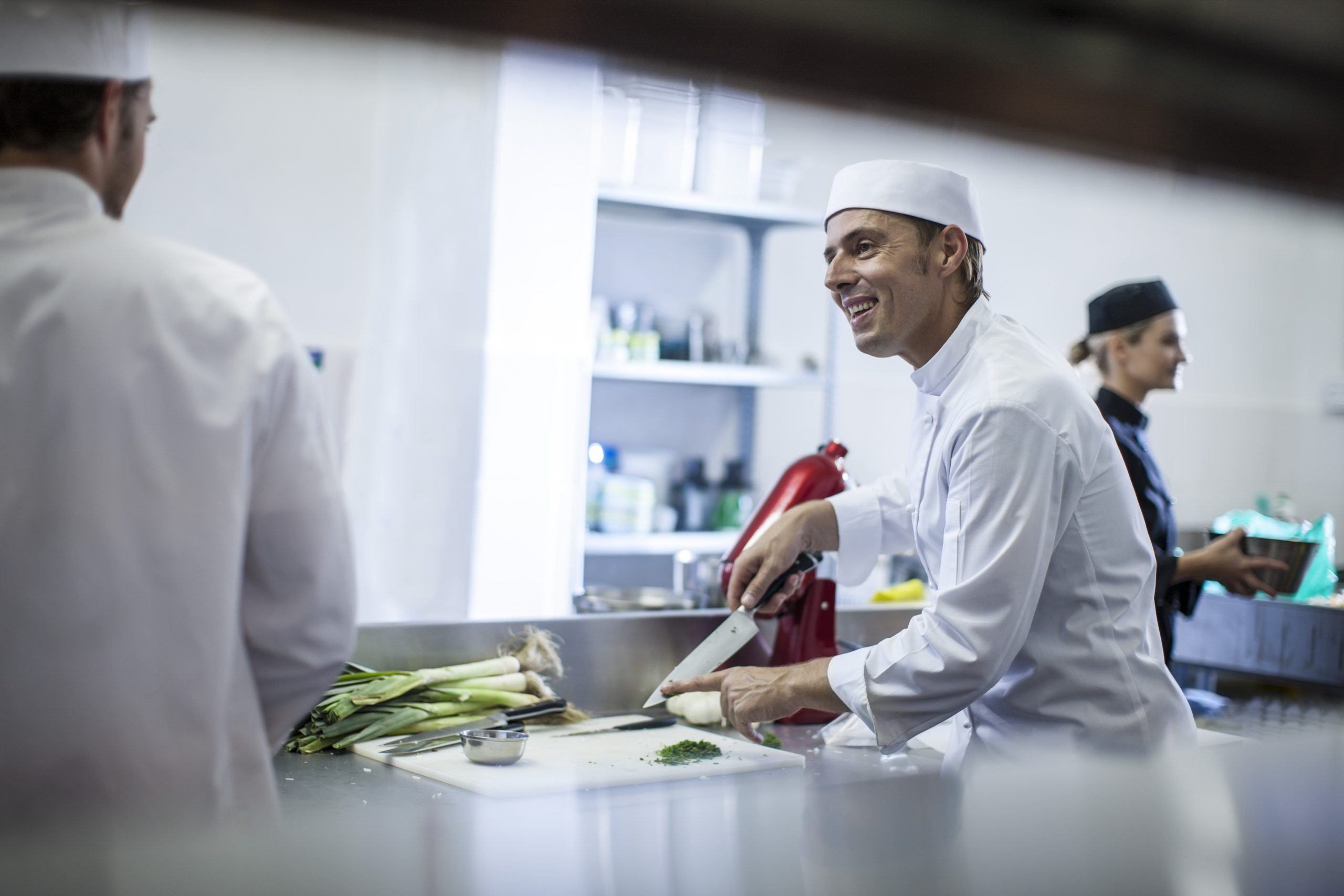

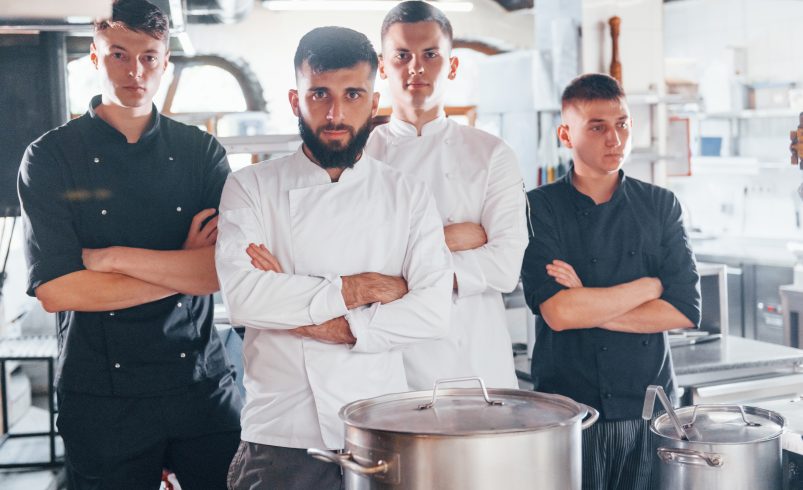

A restaurant or catering business specializing in Halal cuisine relies on a cohesive, skilled kitchen team. From chefs to sous chefs and kitchen staff, every member plays a role in ensuring Halal compliance, culinary authenticity, and operational efficiency. Here’s how to build a strong Halal kitchen team that consistently delivers excellence.
1. Hire for Both Skill and Halal Knowledge
- Culinary Expertise: Ensure each team member has experience in Halal cooking techniques and regional cuisine.
- Halal Compliance: Staff should understand ingredient sourcing, preparation standards, and cross-contamination prevention.
- Training Willingness: Team members should be open to ongoing Halal training and certification updates.
Impact: Creates a team that is competent, knowledgeable, and capable of maintaining high Halal standards.
2. Define Roles and Responsibilities Clearly
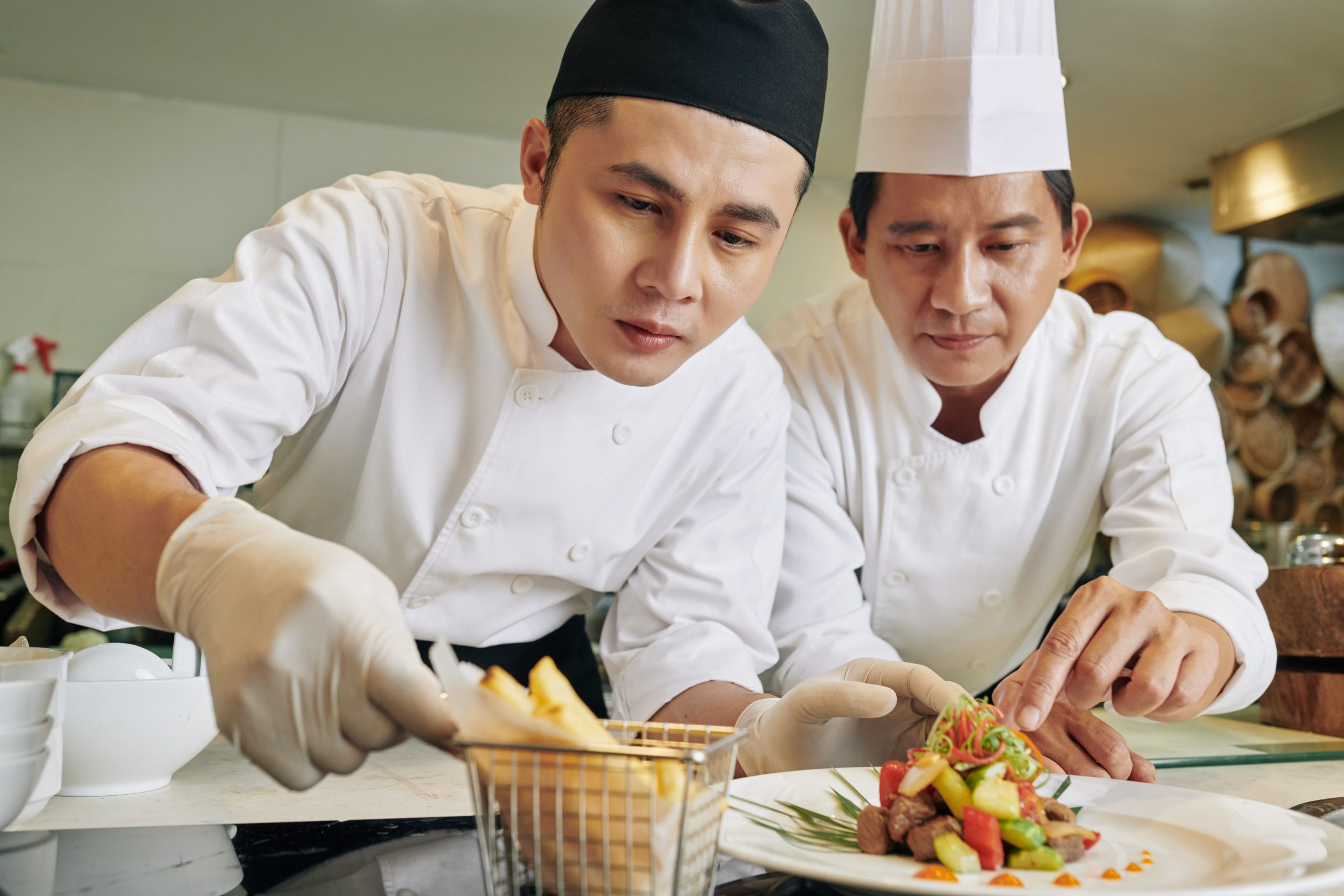
- Head Chef / Halal Chef: Oversees menu creation, kitchen leadership, and compliance.
- Sous Chefs: Assist with prep work, execution, and quality control.
- Line Cooks / Prep Staff: Focus on specific stations or dishes, ensuring efficiency.
- Support Staff: Handle inventory, cleaning, and ingredient prep, maintaining a smooth workflow.
Benefit: Clear roles prevent confusion, delays, and operational errors.
3. Foster a Collaborative Work Environment
- Open Communication: Encourage staff to share ideas, ask questions, and raise concerns.
- Team Respect: Value each member’s experience, cultural knowledge, and input.
- Shared Goals: Align the team around quality, consistency, and Halal integrity.
Outcome: A positive, collaborative culture enhances efficiency, morale, and retention.
4. Implement Ongoing Training
- Halal Compliance: Conduct regular workshops on sourcing, preparation, and certification updates.
- Culinary Skills: Provide opportunities for technique improvement, flavor development, and new dish trials.
- Soft Skills: Training in team communication, time management, and leadership benefits overall operations.
Impact: Continuous development ensures the team remains skilled, motivated, and aligned with your restaurant’s standards.
5. Encourage Leadership and Accountability
- Delegation: Empower sous chefs and station heads to take ownership of their areas.
- Performance Feedback: Provide constructive feedback regularly to maintain standards and improve efficiency.
- Recognition: Celebrate achievements, innovative dishes, and consistent performance.
Benefit: Leadership and accountability build trust, motivate staff, and ensure smooth operations.
6. Prioritize Cultural Respect and Team Fit
- Cultural Awareness: Ensure the team respects Halal practices and understands their significance.
- Hiring for Fit: Choose team members who align with your restaurant’s values and mission.
- Inclusivity: Foster a welcoming environment for staff of diverse backgrounds and skill levels.
Outcome: Cultural respect and alignment strengthen loyalty and create a harmonious kitchen environment.
Final Takeaway
Building a strong Halal kitchen team requires hiring skilled and compliant staff, defining clear roles, fostering collaboration, providing training, encouraging leadership, and prioritizing cultural respect. With a cohesive, motivated team, your restaurant or catering service can deliver consistent, authentic Halal cuisine and exceptional dining experiences.