





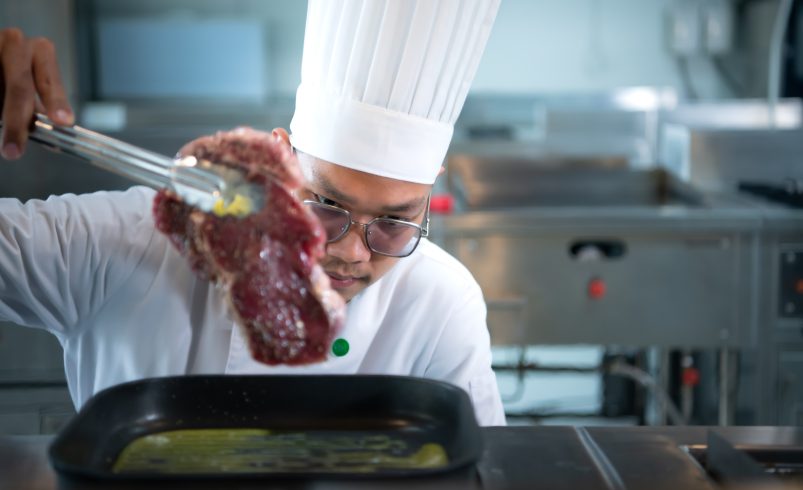

When hiring for a Halal restaurant or catering business, it’s not enough for a chef to be skilled in cooking—they must also understand and uphold Halal principles. Evaluating a chef’s Halal expertise ensures your kitchen delivers authentic, compliant dishes while maintaining customer trust. Here’s how to assess a chef’s Halal knowledge and capabilities.
1. Review Halal Certification and Training
- Formal Certification: Check for Halal culinary certifications or training programs.
- Workshops and Courses: Ask about recent Halal compliance courses or industry workshops attended.
- Ongoing Education: Determine if the chef keeps up-to-date with evolving Halal regulations and best practices.
Impact: Certification and formal training provide a baseline assurance of expertise and compliance.
2. Assess Ingredient Sourcing Knowledge
- Halal Meat and Ingredients: Can the chef identify trusted Halal suppliers and certified products?
- Cross-Contamination Awareness: Do they understand separate storage, preparation, and cooking protocols?
- Alternative Ingredients: Ability to adapt recipes while maintaining Halal compliance.
Outcome: Ensures meals are fully Halal-compliant from sourcing to serving.
3. Test Practical Culinary Skills
- Hands-On Cooking Trial: Ask the chef to prepare signature Halal dishes.
- Flavors and Authenticity: Evaluate spice balance, traditional techniques, and regional authenticity.
- Presentation and Plating: Assess visual appeal and attention to detail.
Benefit: Confirms the chef can translate Halal knowledge into high-quality dishes.
4. Evaluate Knowledge of Regional and Cultural Variations
- Familiarity with Cuisines: Check experience with Middle Eastern, South Asian, North African, or fusion Halal dishes.
- Adaptability: Ability to adjust recipes for local tastes without compromising Halal standards.
- Cultural Sensitivity: Understands traditions and religious significance behind certain dishes.
Impact: Ensures your menu is authentic, culturally respectful, and appealing to diverse guests.
5. Assess Compliance Awareness and Problem-Solving
- Regulatory Understanding: Knowledge of local Halal certifications, audits, and inspections.
- Scenario Testing: Pose questions about handling cross-contamination, supplier issues, or menu changes.
- Decision-Making: Evaluates their ability to maintain Halal standards under pressure.
Outcome: Confirms the chef can handle real-world kitchen challenges without compromising Halal compliance.
6. Check References and Past Experience
- Previous Roles: Verify experience in Halal restaurants, catering companies, or event kitchens.
- Testimonials: Speak with former employers about compliance, culinary skill, and professionalism.
- Portfolio Review: Review photos, menus, or events that showcase Halal expertise.
Benefit: Past performance provides insight into reliability and Halal proficiency.
Final Takeaway
Evaluating a chef’s Halal expertise requires reviewing certifications, assessing sourcing knowledge, testing practical skills, understanding cultural variations, checking compliance awareness, and verifying past experience. By thoroughly assessing these areas, restaurants and catering businesses can hire chefs who deliver authentic, high-quality, and fully compliant Halal cuisine.