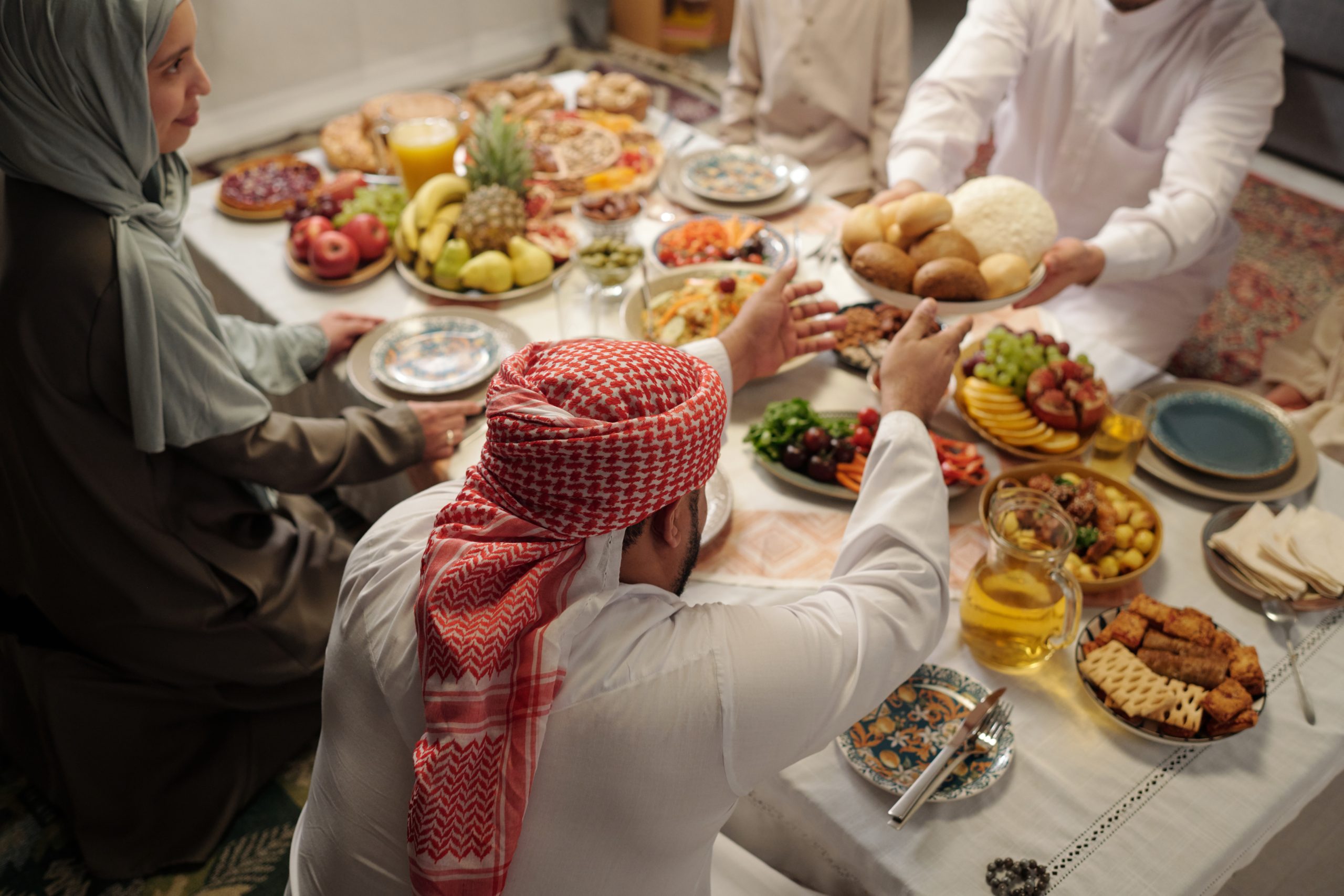
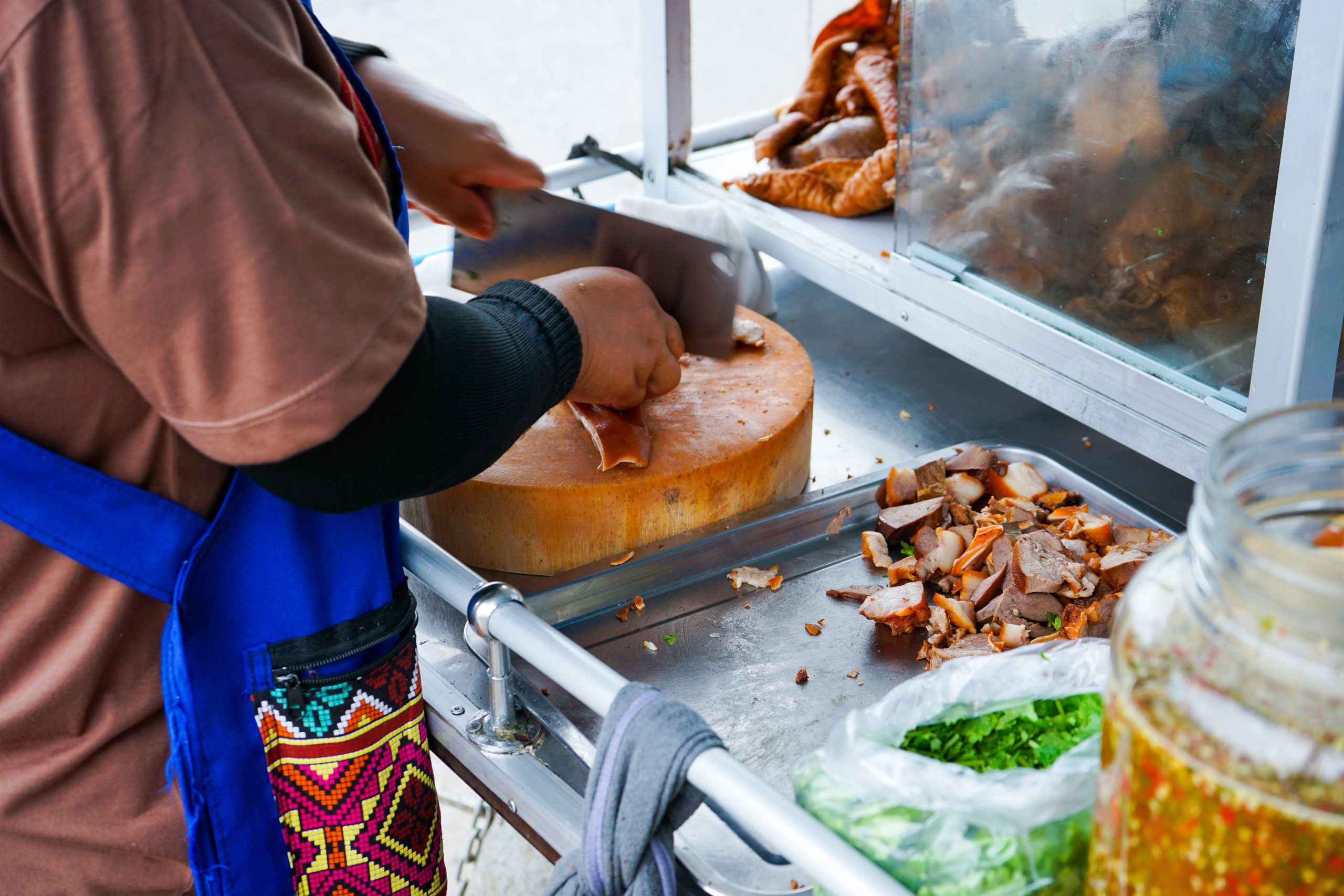
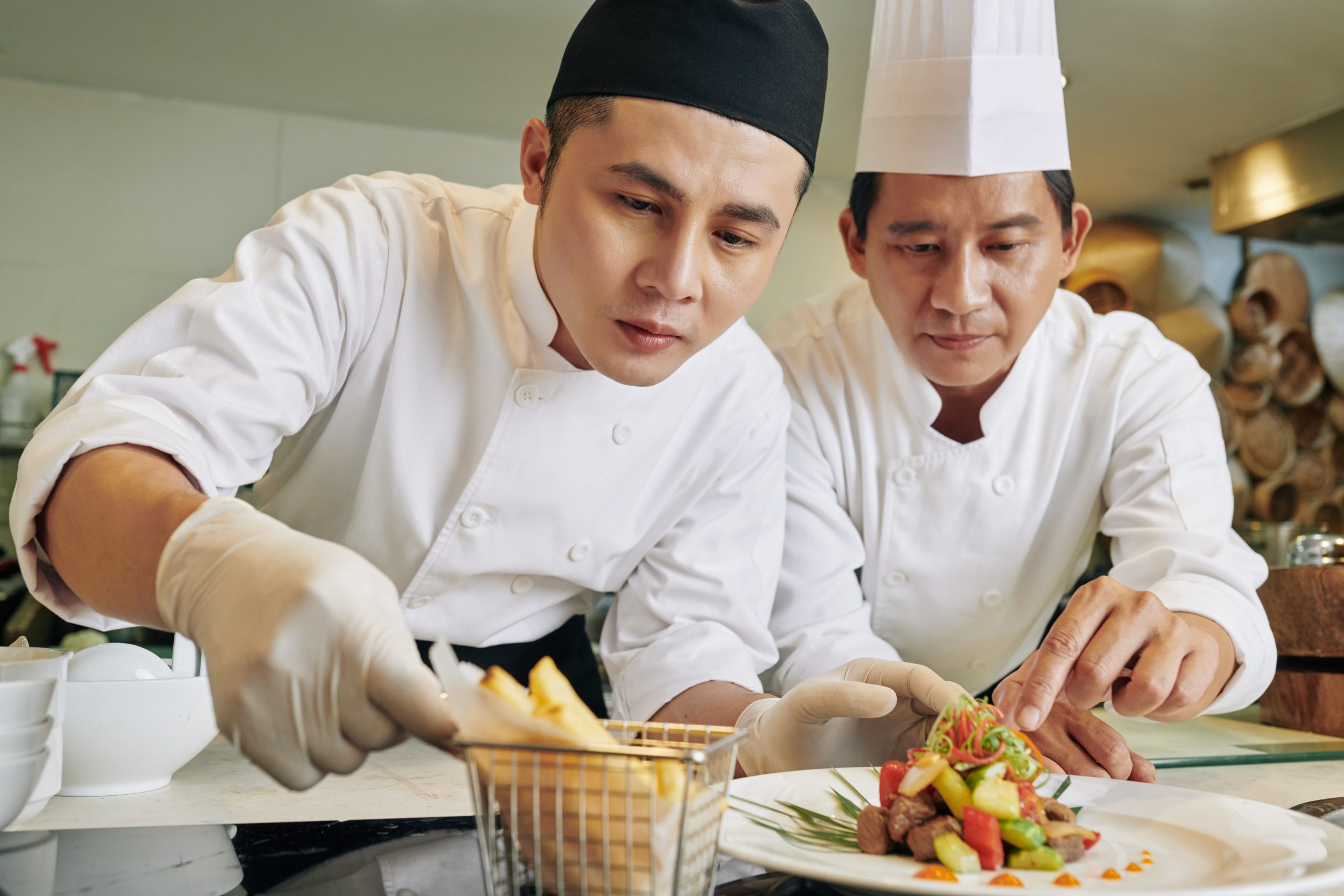
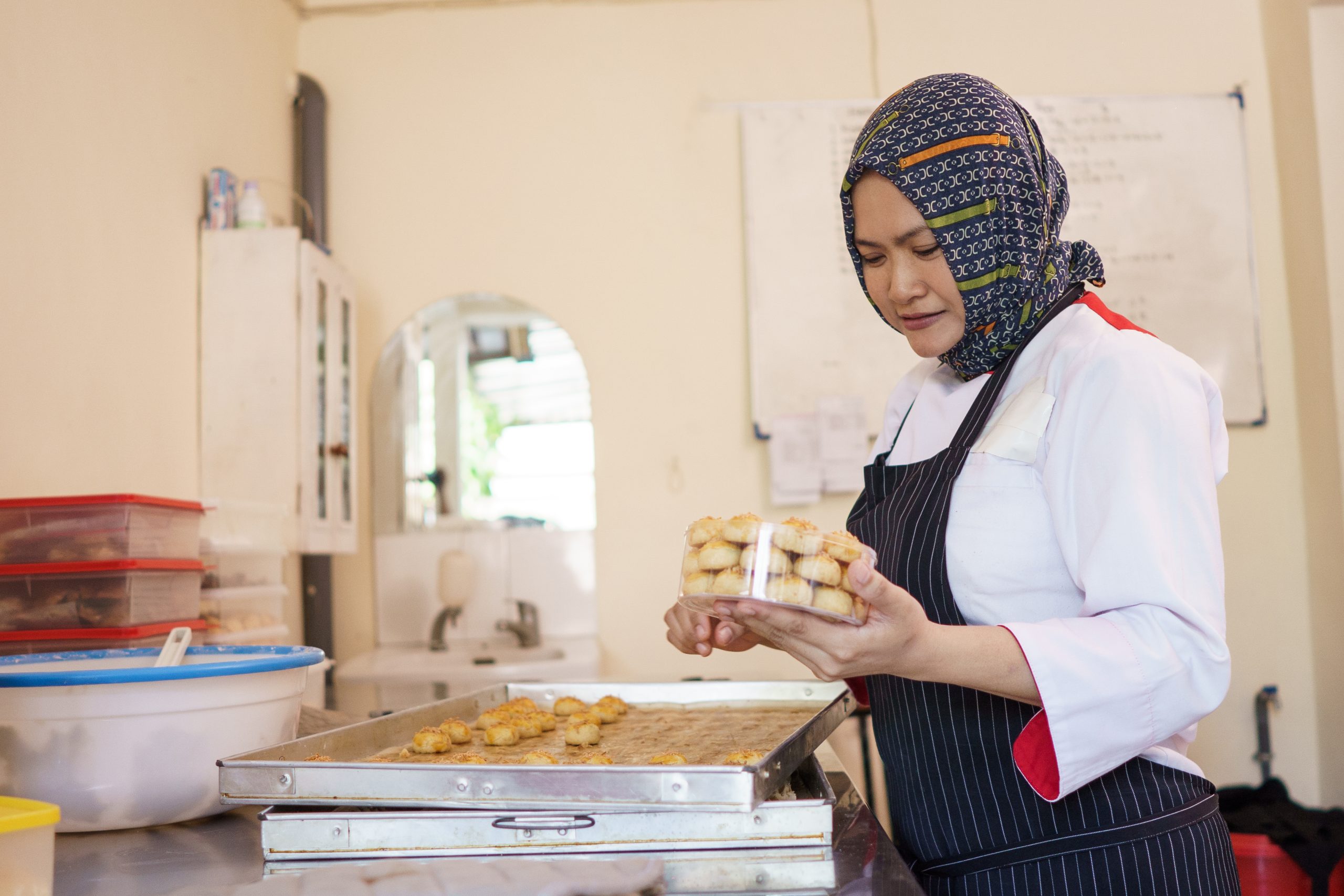

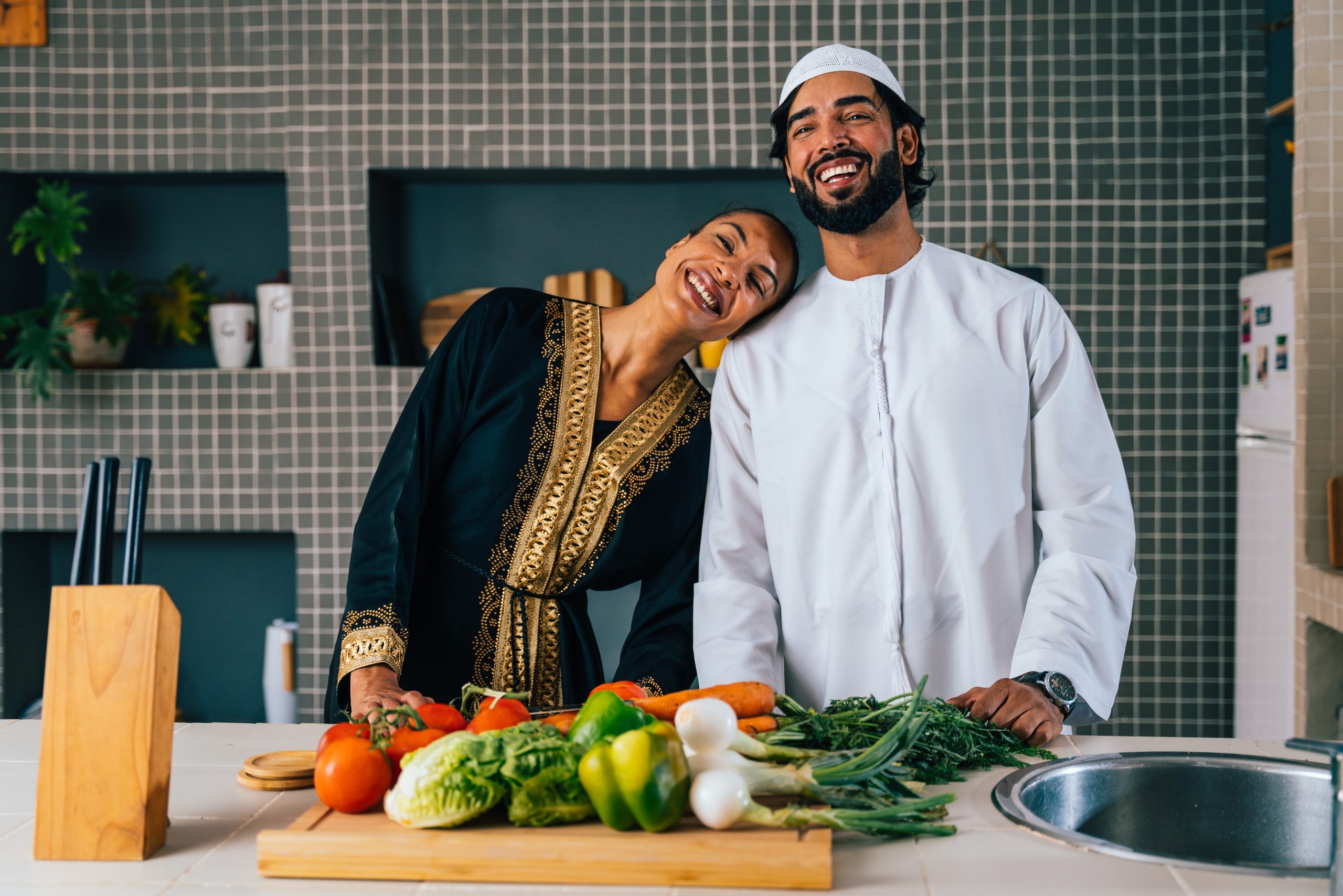


Hiring Halal culinary experts for your event ensures authentic, high-quality, and compliant cuisine. Whether it’s a wedding, corporate gathering, festival, or cultural celebration, careful planning is key to maximizing the impact of Halal cuisine. Here are practical tips for planning events with Halal culinary professionals.
1. Define Your Event Scope
- Guest Count: Establish the number of attendees to determine portion sizes and staffing needs.
- Cuisine Style: Decide on traditional Halal dishes, modern fusion options, or a combination.
- Service Format: Choose between buffet, plated service, live cooking stations, or finger-food setups.
Impact: Clear parameters help you select the right Halal chef and plan logistics effectively.
2. Source Qualified Halal Culinary Experts
- Certified Chefs: Look for professionals with Halal certification or formal Halal culinary training.
- Event Experience: Prioritize chefs with experience in large-scale or specialized events.
- References and Portfolios: Check past events for menu examples, presentation, and guest satisfaction.
Benefit: Ensures your chef can deliver consistent quality under the demands of your event.
3. Collaborate on Menu Planning
- Authenticity: Ensure dishes reflect cultural and regional Halal culinary traditions.
- Dietary Inclusivity: Incorporate vegetarian, vegan, and allergen-friendly options.
- Event Theme Alignment: Coordinate dishes to match the theme, timing, and service style of your event.
Outcome: A well-planned menu enhances guest experience and event coherence.
4. Conduct Tastings and Trial Runs
- Flavor and Presentation Checks: Sample dishes to ensure authenticity and quality.
- Scalability: Confirm recipes can be produced in large quantities without compromising taste or appearance.
- Feedback and Adjustments: Make final tweaks based on client expectations or dietary requirements.
Impact: Tastings provide confidence that every dish served meets standards.
5. Plan Staffing and Logistics
- Kitchen Team Coordination: Assign roles for prep, cooking, plating, and service.
- Timing and Flow: Schedule cooking, serving, and replenishment to maintain freshness.
- Event-Day Oversight: Designate a head chef or supervisor to monitor compliance and quality.
Benefit: Smooth operations prevent delays, errors, and guest dissatisfaction.
6. Emphasize Halal Compliance and Communication
- Ingredient Verification: Ensure all meats and products are Halal-certified.
- Cross-Contamination Prevention: Separate prep areas, utensils, and storage for Halal items.
- Transparent Communication: Keep clients and guests informed about Halal compliance, menu details, and any substitutions.
Outcome: Guests trust the food and enjoy a culturally authentic dining experience.
Final Takeaway
Event planning with Halal culinary experts requires clear event scope, sourcing certified chefs, collaborative menu planning, tastings, organized staffing, and strict Halal compliance. By following these steps, you ensure your event delivers authentic, high-quality Halal cuisine that impresses guests and runs smoothly.