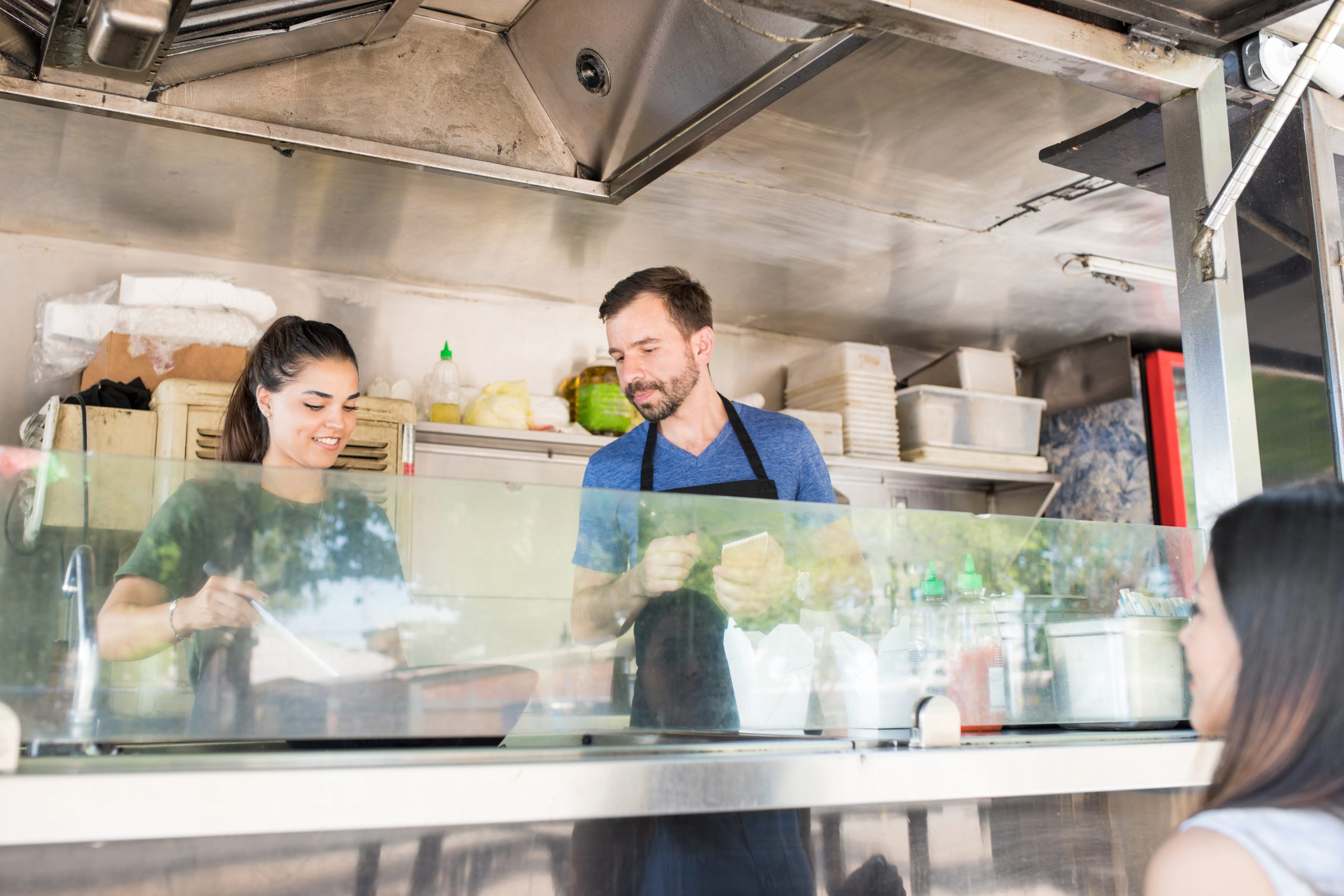
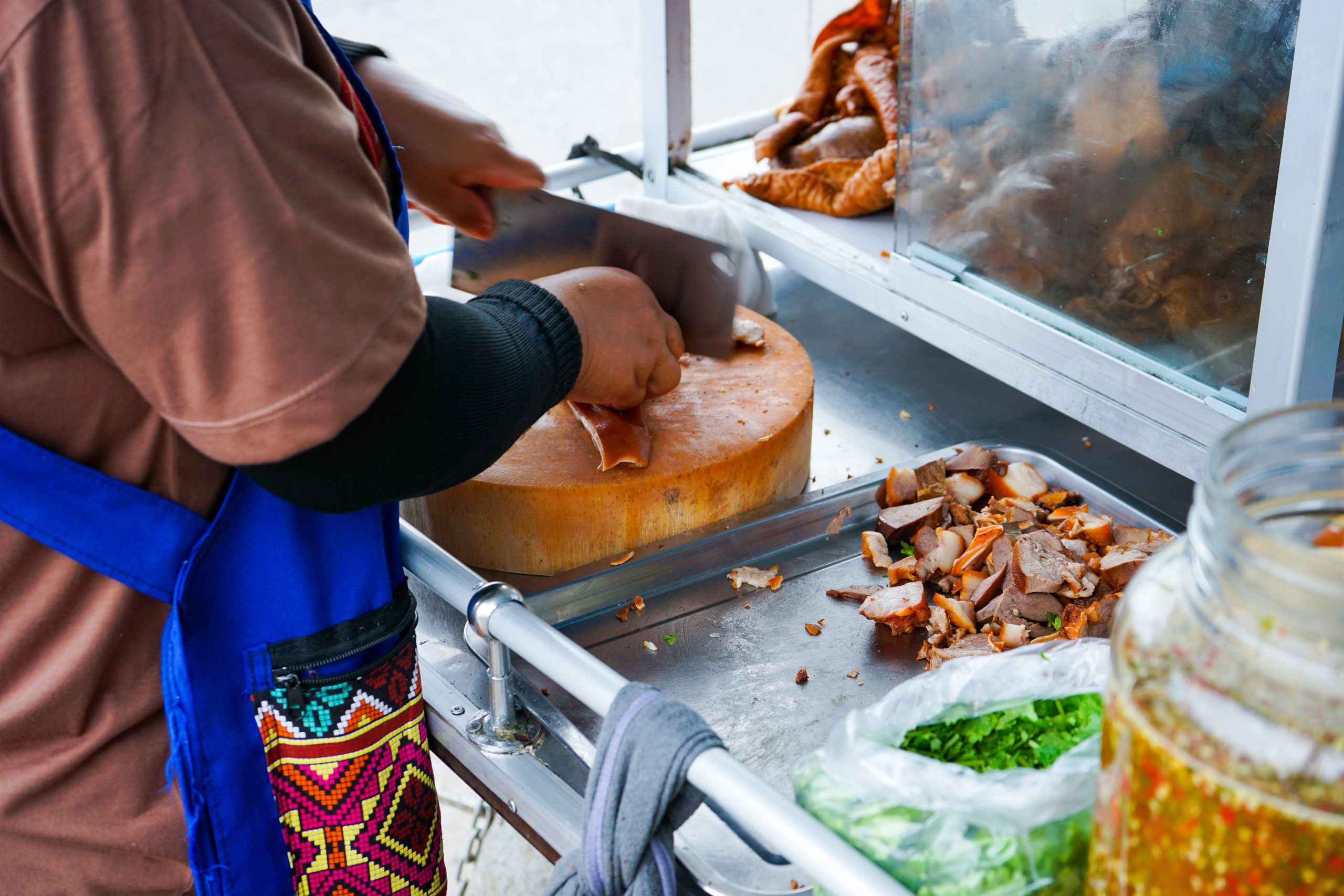




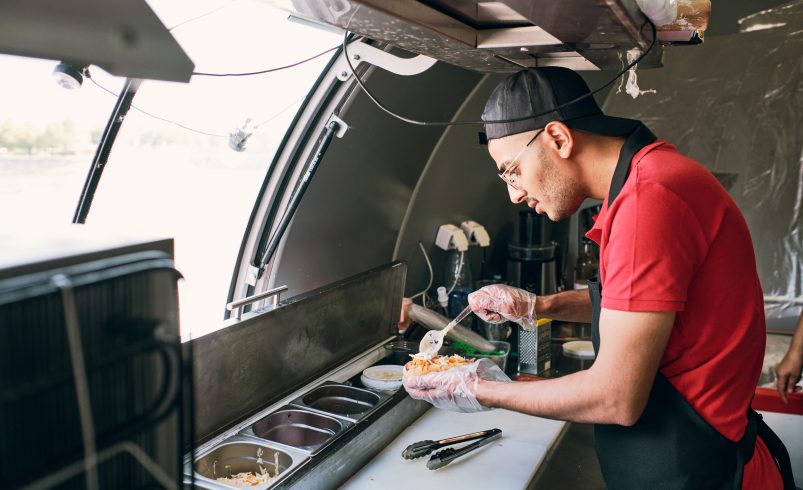

Running a Halal food truck combines the challenges of mobile operations, compliance, and customer satisfaction. Efficient management ensures your food truck delivers high-quality Halal cuisine while maximizing profits and maintaining safety standards. Here are key strategies to manage your Halal food truck business effectively.
1. Ensure Strict Halal Compliance
- Ingredient Sourcing: Use only Halal-certified meats, poultry, and products.
- Cross-Contamination Prevention: Maintain separate prep areas, utensils, and storage for Halal items.
- Staff Training: All team members should understand Halal rules and hygiene protocols.
Impact: Builds customer trust and protects your brand reputation.
2. Streamline Menu for Speed and Consistency
- Limited, Focused Menu: Offer a concise selection of popular Halal dishes to ensure speed and quality.
- Prep-Friendly Recipes: Choose dishes that scale well in a mobile kitchen and maintain taste.
- Standardized Portions: Consistent portion sizes reduce waste and improve cost control.
Benefit: Faster service, happier customers, and lower operational errors.
3. Optimize Kitchen Layout and Workflow
- Compact Efficiency: Arrange cooking stations for smooth prep, cooking, and serving flow.
- Equipment Utilization: Maximize grills, fryers, and storage space for multi-tasking.
- Safety & Hygiene: Maintain clean surfaces, proper ventilation, and accessible handwashing stations.
Outcome: Improves speed, reduces accidents, and ensures high hygiene standards.
4. Implement Inventory and Cost Management
- Track Ingredients: Use digital inventory tools to monitor Halal product levels and expiry dates.
- Forecast Demand: Analyze sales trends and event schedules to minimize waste.
- Supplier Relationships: Maintain strong relationships with reliable Halal suppliers for consistency.
Impact: Reduces food waste, controls costs, and ensures smooth supply chain operations.
5. Train and Motivate Your Team
- Halal Culinary Skills: Ensure staff can prepare dishes quickly without compromising quality.
- Customer Service: Train for friendly, knowledgeable interactions to boost loyalty.
- Cross-Training: Equip team members to handle multiple roles during peak hours.
Benefit: A skilled and versatile team enhances efficiency and customer satisfaction.
6. Leverage Technology for Operations
- Point-of-Sale Systems: Use mobile-friendly POS to manage orders, payments, and receipts.
- Delivery & Ordering Platforms: Integrate with Uber Eats, DoorDash, or local apps for extra revenue streams.
- Tracking & Analytics: Monitor sales patterns, peak hours, and popular menu items for better planning.
Outcome: Technology streamlines operations, reduces errors, and increases profitability.
7. Plan Locations and Events Strategically
- High-Traffic Spots: Choose areas with dense foot traffic or event venues.
- Permits & Compliance: Ensure local food truck permits and Halal certification visibility.
- Event Partnerships: Collaborate with festivals, corporate events, and markets to boost exposure.
Impact: Maximizes revenue while maintaining legal and Halal compliance.
Final Takeaway
Efficiently managing a Halal food truck requires a mix of strict compliance, streamlined menu planning, optimized workflow, inventory management, staff training, technology use, and strategic location planning. Applying these strategies ensures your mobile Halal food business delivers consistent, high-quality meals, grows your customer base, and maintains operational efficiency.