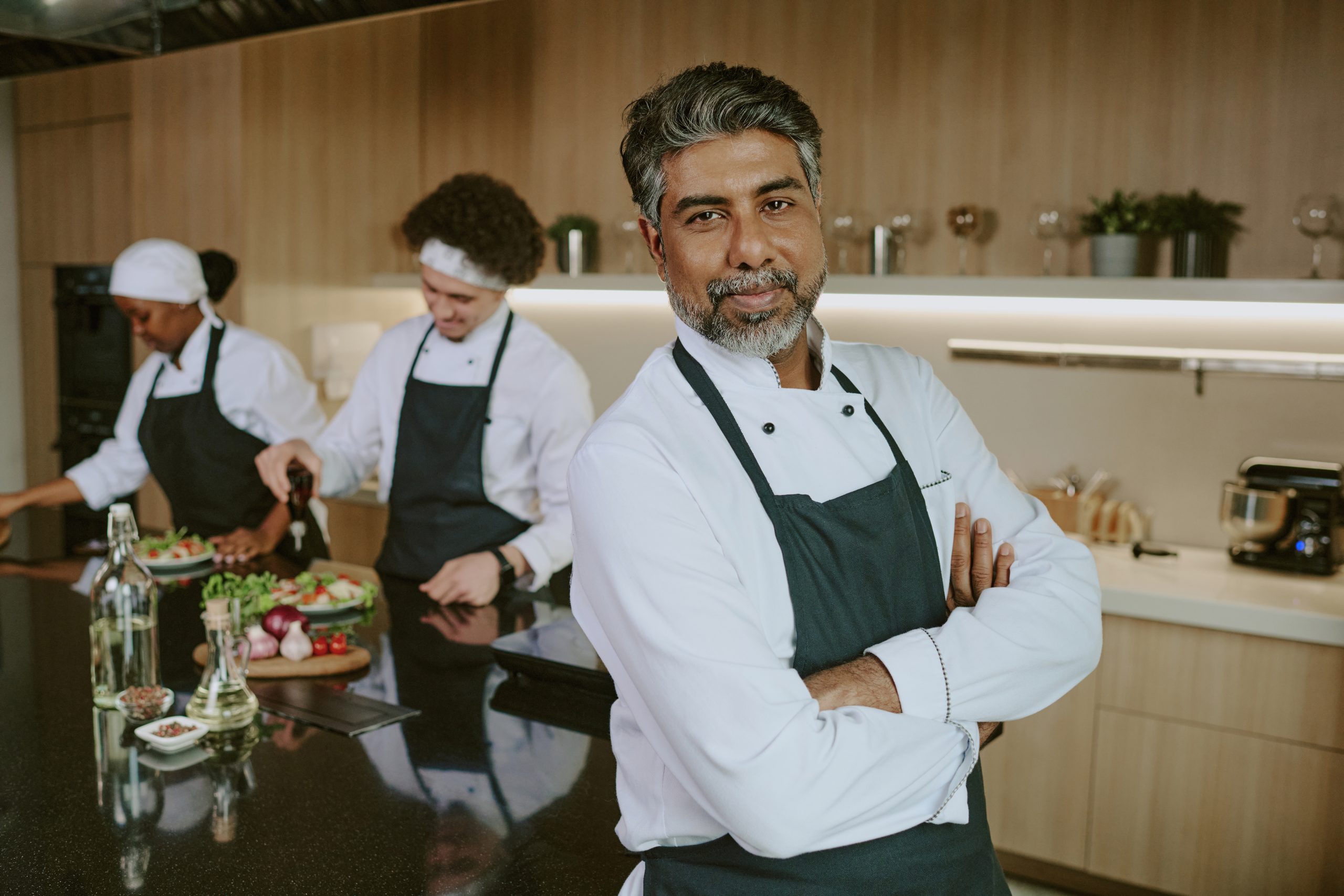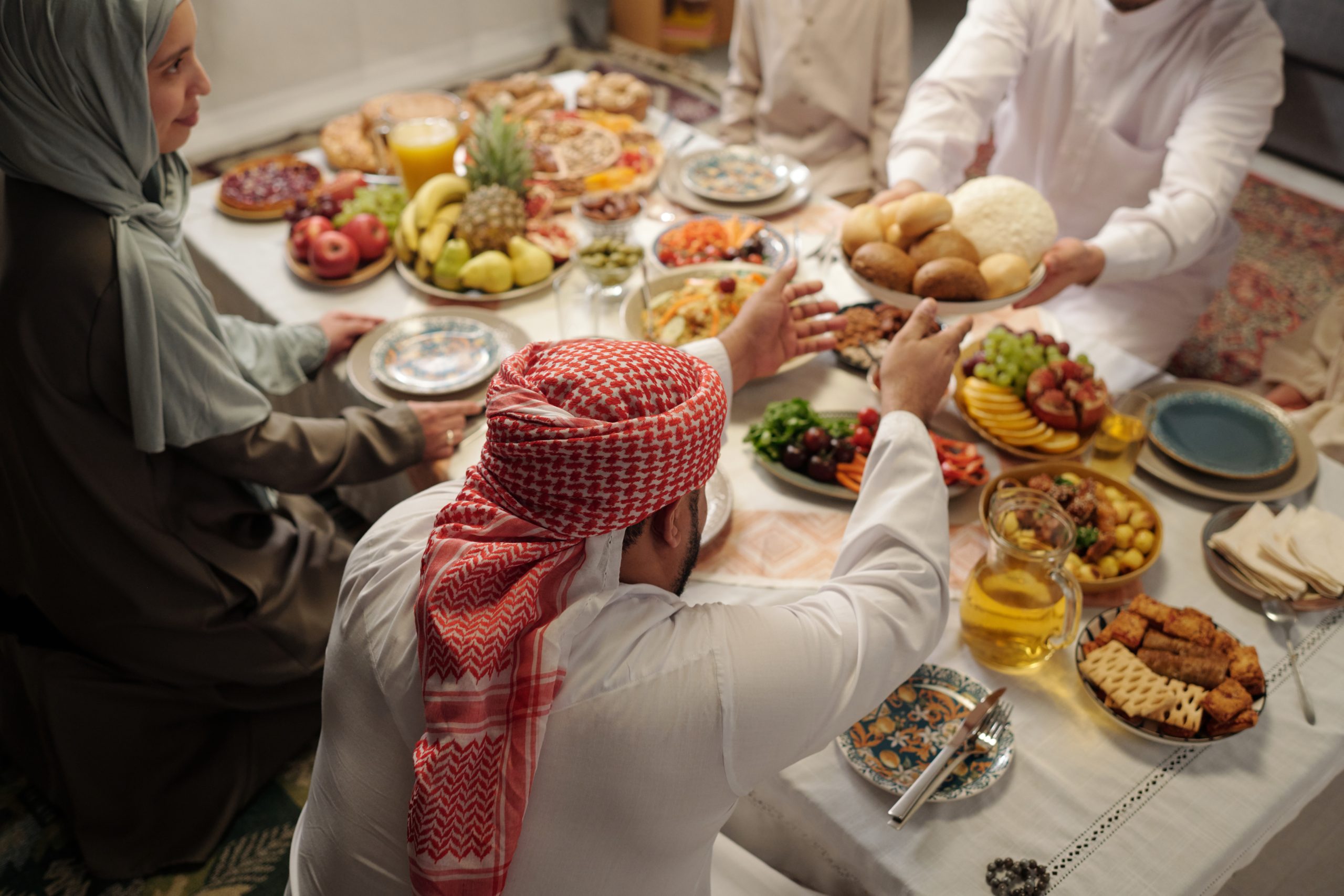
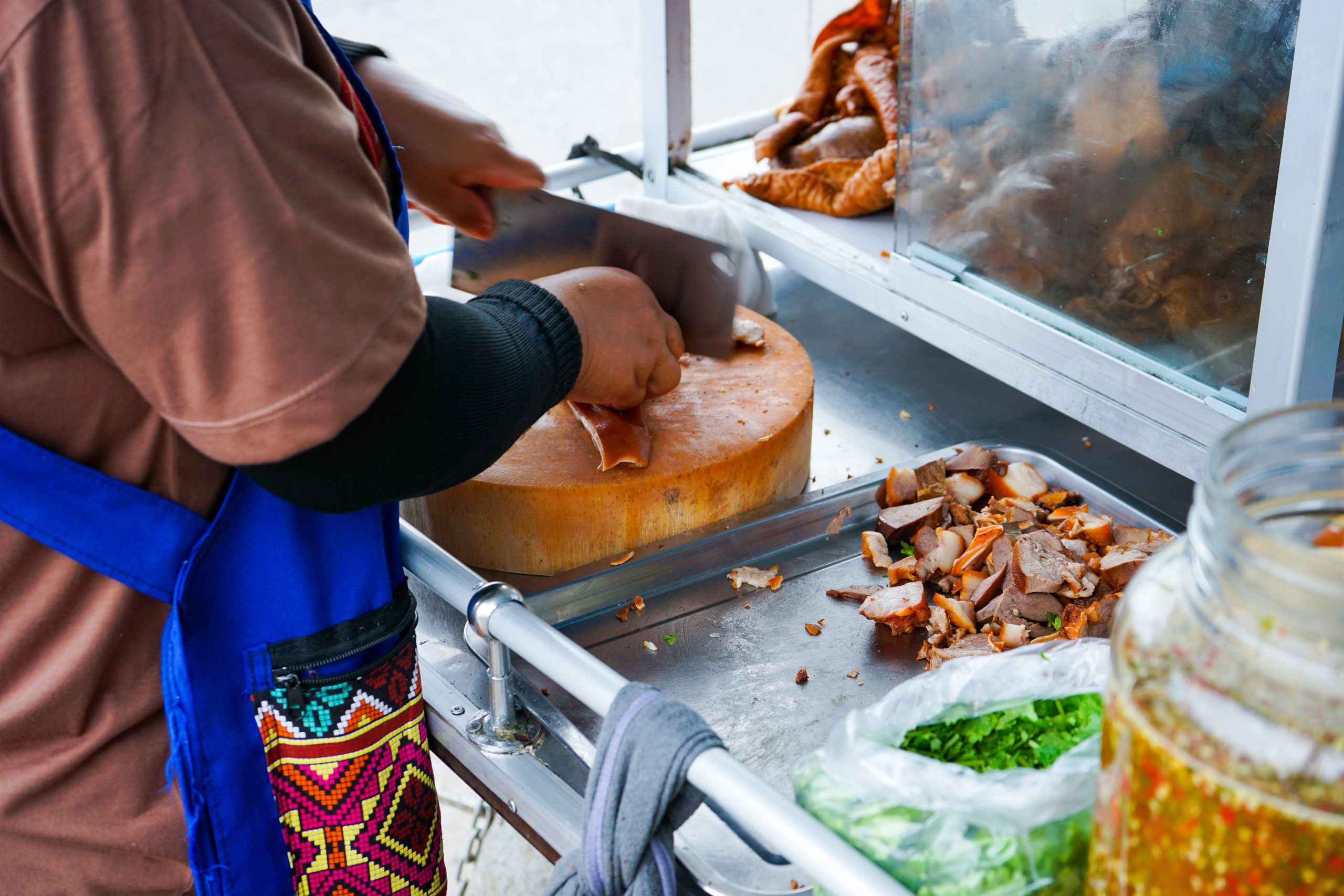
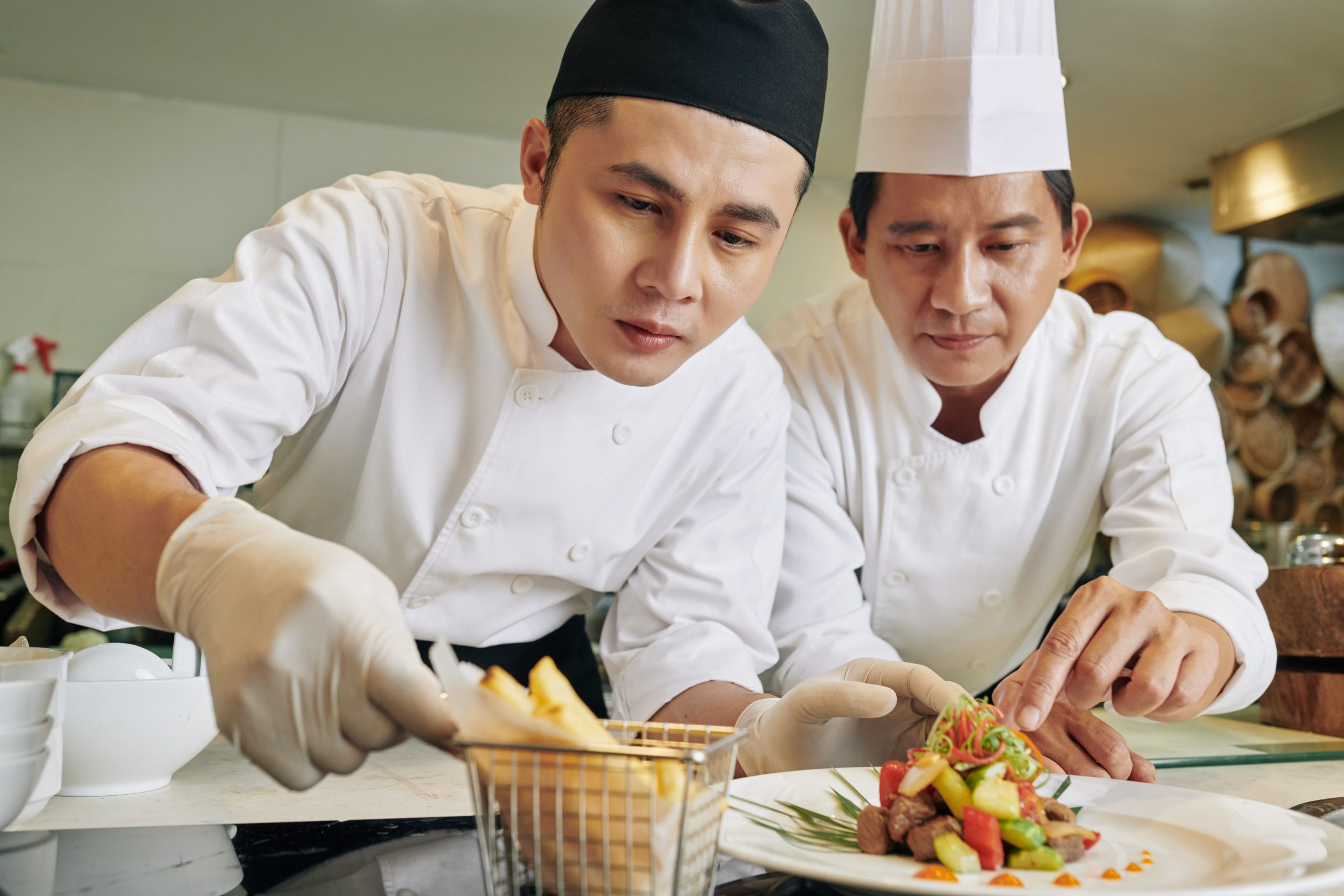
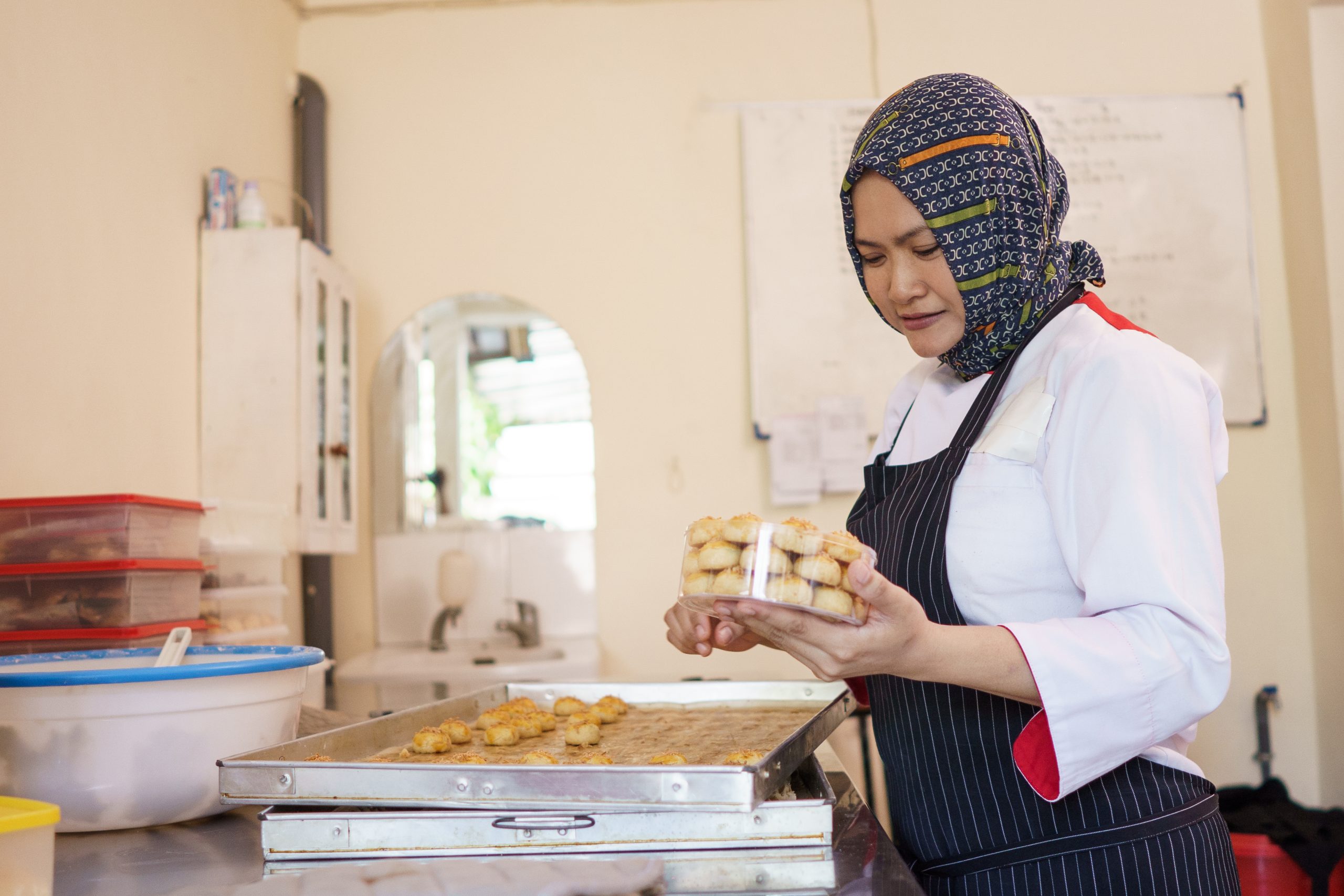

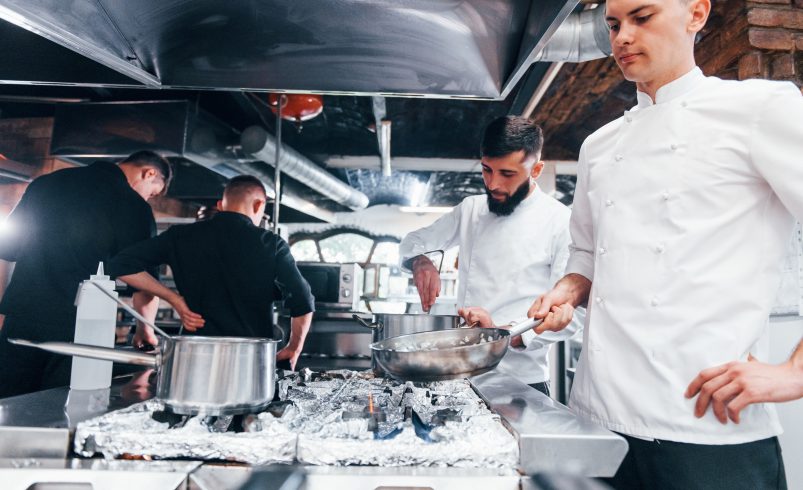

Festivals are vibrant, high-energy events where food plays a central role in the guest experience. For organizers serving Halal cuisine, partnering with skilled Halal chefs ensures dishes are authentic, compliant, and appealing to diverse audiences. Here’s how to effectively work with Halal chefs for festivals.
1. Define Your Festival’s Culinary Needs
- Audience Size: Estimate the number of attendees to plan portions and staffing levels.
- Cuisine Style: Decide whether to feature traditional Halal dishes, fusion options, or a mix.
- Service Format: Options include food stalls, buffet stations, plated meals, or live cooking demonstrations.
Impact: Clear requirements help match you with chefs experienced in festival-scale service.
2. Source Experienced Halal Chefs
- Festival Experience: Look for chefs who have handled high-volume events efficiently.
- Cultural Expertise: Ensure knowledge of Halal compliance, regional specialties, and authentic flavors.
- References and Portfolios: Request previous festival or large event experience to assess capability.
Benefit: Experienced chefs reduce operational challenges and ensure consistent quality under pressure.
3. Plan a Festival-Friendly Menu
- Portion Sizes: Adapt dishes for easy serving, single portions, or shareable items.
- Crowd-Pleasing Options: Include popular Halal street foods, finger foods, and quick-to-serve specialties.
- Dietary Variety: Provide vegetarian, vegan, and allergen-friendly options to appeal to a wide audience.
Outcome: A well-planned menu keeps guests satisfied and lines moving efficiently.
4. Schedule Tastings and Prep Runs
- Sample Dishes: Test recipes in advance to confirm flavor, presentation, and scalability.
- Portion Timing: Determine how long dishes stay fresh and maintain quality during festival service.
- Feedback Loop: Adjust recipes based on taste tests or festival-specific logistics.
Impact: Pre-event tastings ensure dishes meet expectations on a large scale.
5. Coordinate Staffing and Workflow
- Kitchen and Service Teams: Plan stations, prep areas, and serving logistics for smooth operations.
- Clear Roles: Assign responsibilities for cooking, plating, service, and Halal compliance checks.
- Real-Time Monitoring: Ensure a supervisor or head chef oversees quality and compliance during service.
Benefit: Organized workflow minimizes delays, errors, and compromises in food quality.
6. Emphasize Halal Compliance
- Ingredient Verification: Confirm all meats and products are Halal-certified.
- Cross-Contamination Prevention: Separate utensils, prep areas, and storage for Halal ingredients.
- Certifications on Display: Clearly showcase Halal certification to instill guest confidence.
Outcome: Maintains authenticity, trust, and a positive reputation for the festival.
Final Takeaway
Working with Halal chefs for festivals requires careful planning, sourcing experienced talent, designing crowd-friendly menus, conducting tastings, coordinating workflow, and enforcing Halal compliance. With these strategies, festival organizers can deliver authentic, high-quality Halal cuisine that delights guests and enhances the overall event experience.