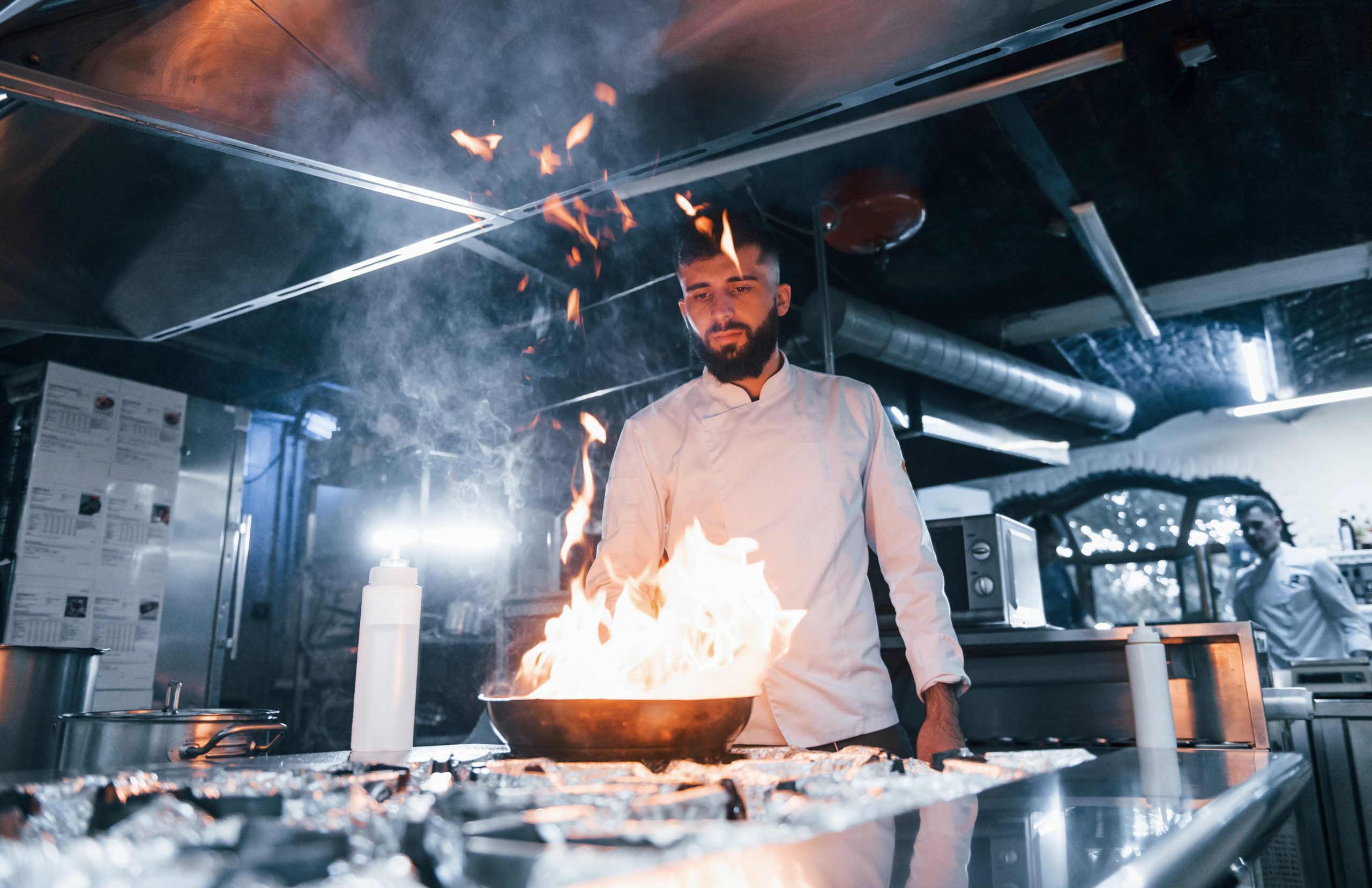
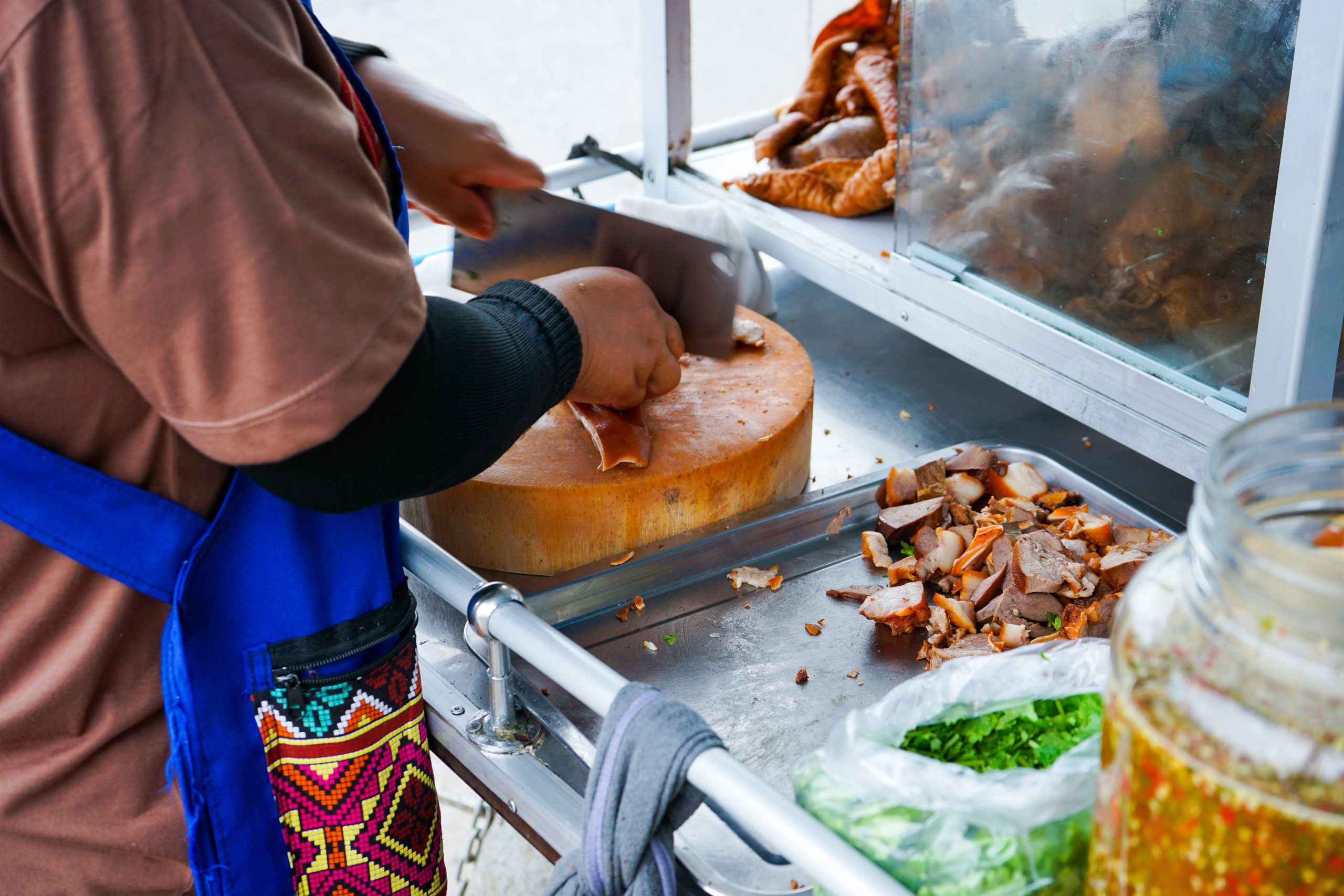
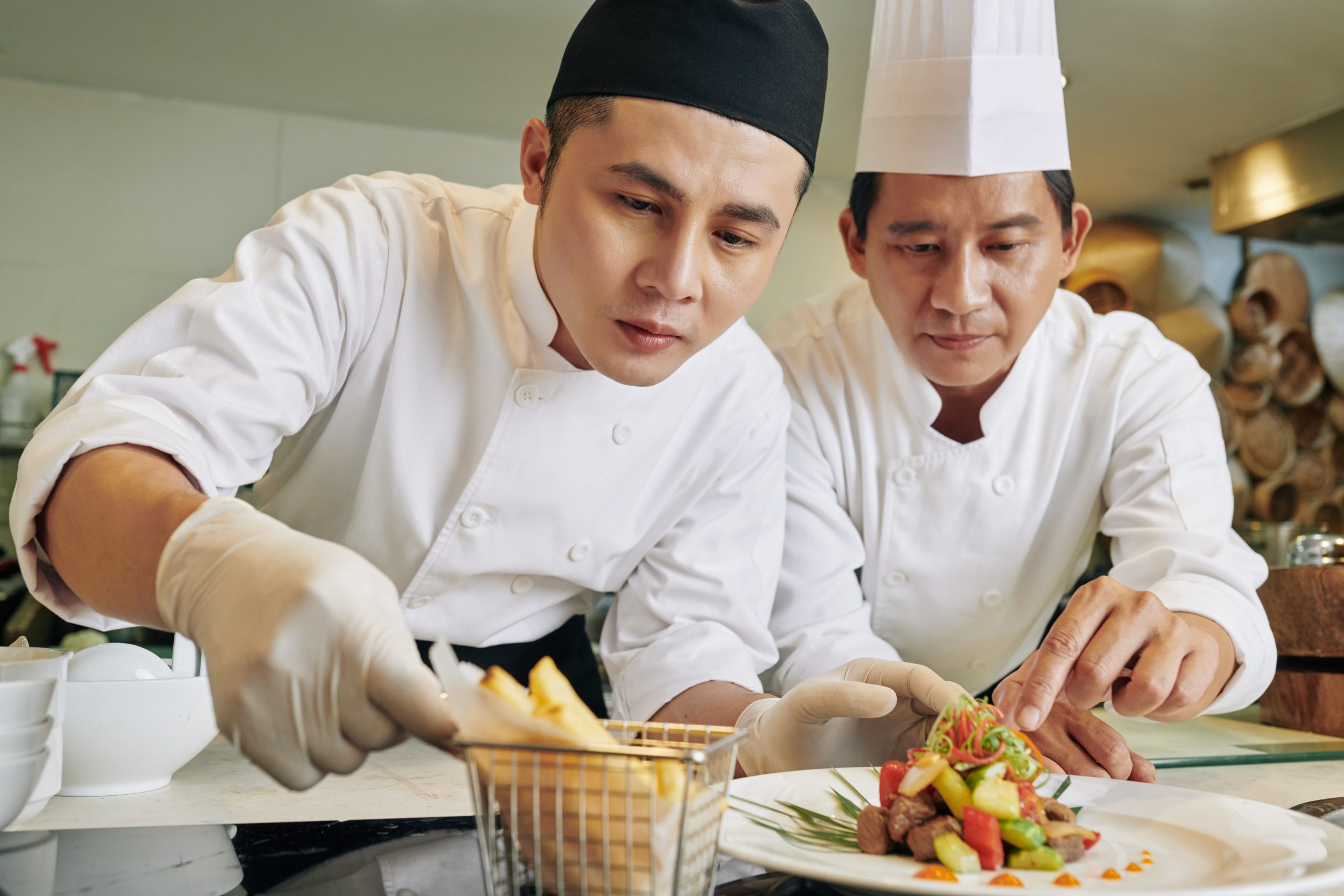


The sizzle of perfectly charred meat, the aroma of complex spice rubs, the communal joy of smoke and fire—these are universal. But mastering Halal BBQ and grilling requires a unique fusion of culinary art, technical precision, and deep cultural and religious integrity. For a restaurant owner, this hire isn’t just about finding a great pitmaster; it’s about finding a guardian of flavor and faith.
Whether you’re launching a Texas-style Halal smokehouse, a Pakistani-style sajji grill, a Turkish ocakbaşı, or a modern fusion BBQ joint, this guide will help you find the chef who can deliver authenticity from the fire pit to the plate.
Why Halal BBQ is a Category of Its Own
Halal BBQ isn’t simply substituting chicken for pork ribs. It’s an entire philosophy that intersects with the core techniques of live-fire cooking.
A top-tier Halal BBQ chef masters three pillars:
- The Science of Smoke & Fire: Understanding temperatures, wood types (hickory, oak, mesquite vs. fruitwoods), smoking times, and managing live charcoal for perfect tandoors or mangals.
- The Art of Halal Butchery & Curing: Expert knowledge of Halal cuts ideal for low-and-slow cooking (beef brisket, lamb shoulder, whole chicken) and creating flavor-packed rubs and brines without prohibited ingredients.
- Cultural Fusion Intelligence: Blending traditional American, South Asian, Middle Eastern, or Korean BBQ techniques within a Halal framework. Think: harissa-rubbed smoked beef ribs, or tandoori-spiced pulled lamb sandwiches.
Step 1: Define Your “Flavor Profile” & Concept
“Halal BBQ” can mean many things. Your concept will dictate your candidate search.
- Identify Your Style:
- American Low & Slow: Focus on brisket, pulled beef, smoked turkey, and Halal sausages. Requires mastery of offset smokers.
- South Asian Charcoal Grill: Specializing in seekh kebabs, bihari boti, tikka, and tandoori items in a clay oven. High-heat, quick-cook expertise.
- Middle Eastern/Lebanese Grill: For shish tawook, kofta, kebab halabi. Focus on marinades and charcoal mangal grilling.
- Fusion & Modern: Innovative concepts like Korean-inspired Halal beef bulgogi burnt ends or smoked lamb belly shawarma.
- Write a Hyper-Specific Job Posting:
- Title: “Halal Pitmaster & Smokehouse Chef,” “Head Chef – Tandoor and Live Fire Grill,” “Halal BBQ Specialist & Grill Master.”
- Requirements: List the equipment they must command: “Must have proven experience operating a 500-gallon offset smoker,” or “Expertise in managing a live-fire mangal grill station for high-volume service.”
- Menu Mandates: “Must develop and execute our core menu of: 14-hour smoked beef brisket, cherry-glazed smoked duck (Halal), and house-made beef belly burnt ends.”
Step 2: Source from the Fire & the Community
Look where the smoke rises and where the community gathers.
- The Competition (& Collaboration): Visit other Halal BBQ spots, food trucks, and pop-ups. Notice who’s running the pit. A talented chef might be open to a new opportunity. The Halal food scene can be tight-knit.
- Halal Meat Suppliers & Butchers (Your #1 Asset): The relationship is everything. Your supplier knows every restaurant and chef buying whole packer briskets, lamb shoulders, and premium cuts. They are your best recruiters.
- BBQ Competitions & Events: Attend local BBQ festivals, especially those with a multicultural or Halal presence. Competitors are showcasing their exact skills under pressure.
- Social Media – The Visual Hunt:
- Instagram: Search #HalalBBQ, #HalalPitmaster, #SmokedHalal, #TandoorChef, #MangalMaster. Look for posts showing process—trimming brisket, managing firebox temps, the smoke ring on sliced meat.
- Facebook Groups: “Halal Food Entrepreneurs,” “American Muslim BBQ Enthusiasts,” “[Your City] Halal Food Network.”
Step 3: The Audition: The “Fire & Skill” Test
This is non-negotiable. You must see them work with fire and meat.
Design a Two-Part Practical Test:
Part 1: The Fire & Fundamentals Test.
- For Smokehouse Pitmasters: Provide them with a Halal beef brisket point or a lamb shoulder. Assess their trimming technique, their dry rub application (ask them to explain the blend), and their process for firing up and stabilizing the smoker at 225°F. You’re judging their foundational discipline.
- For Tandoor/Mangal Chefs: Provide chicken quarters and ground beef. Evaluate their marinade preparation (yogurt-based vs. dry spice), their skewering technique, and their ability to manage the intense, direct heat of a live fire for both quick-searing and even cooking.
Part 2: The “Signature Smoke” or “Signature Grill” Test.
Ask them to prepare one signature dish that represents their unique style within Halal BBQ. This reveals creativity and pride. Is it a coffee-rubbed smoked beef short rib? A pomegranate-molasses glazed lamb chop? A jumbo prawn tikka?
What to Observe:
- Respect for the Meat: How they handle the premium Halal cut.
- Fire Management: Constant temperature? Control over flare-ups?
- Safety & Cleanliness: Critical in a live-fire environment.
- The Final Product: Flavor, tenderness, smoke penetration (the coveted “smoke ring”), and presentation.
Step 4: The Interview: Asking the Right Questions
Go beyond the resume. Grill them on their philosophy.
- On Sourcing & Butchery: “What specific qualities do you look for in a Halal brisket for smoking versus one for braising?” or “How do you build a relationship with a Halal butcher to get the best cuts for grilling?”
- On Technique & Problem-Solving: “Your smoker temperature spikes 50 degrees during a crucial stall period. What’s your immediate action?” or “How do you prevent delicate seekh kebabs from breaking on the grill?”
- On Flavor Without Compromise: “How do you build umami and depth in your BBQ sauces and glazes without using alcohol or non-Halal Worcestershire?”
- On Cross-Contamination: “Walk me through your end-of-night cleaning protocol for a shared smoker that also occasionally cooks non-Halal items, if applicable.”
- On Cultural Blending: “How would you approach creating a Halal ‘Texas Trinity’ plate (brisket, ribs, sausage) that incorporates South Asian spice profiles?”
Step 5: Vet for Integrity & Experience
- Check Their “Q” (BBQ) Credentials: Have they worked in a high-volume smokehouse? Managed a tandoor line during Ramadan? Ask for specifics about volume, wood usage, and kitchen layout.
- Reference Deep Dive: Ask previous employers: “How did they manage meat inventory and waste on expensive, slow-smoked items?” and “Were they proactive in maintaining and repairing expensive smoker or grill equipment?”
- Trial Shift: Consider a paid trail on a busy Friday or Saturday night. Can they handle the pressure of the rush while maintaining quality and Halal standards?
The Make-or-Break Details
🟢 Green Flags:
- Brings their own knives and thermometers (a sign of a pro).
- Can talk for minutes about the differences between post-oak and pecan wood.
- Has strong opinions on the “wrap vs. no-wrap” method for brisket.
- Automatically asks about your hood ventilation system’s capacity for smoke.
- Passionately discusses the ethical sourcing of Halal meat as part of the craft.
🔴 Red Flags:
- Relies on liquid smoke or pre-made “BBQ” marinades.
- Vague about fuel management (“just throw some charcoal in”).
- Dismisses the importance of a strict cleaning schedule for shared equipment.
- Cannot explain the basic science behind the “stall” in smoking.
Sealing the Deal & Firing Up Success
- Competitive Offer: True pitmasters and fire chefs are artists and engineers. Their salary should reflect this dual expertise. Consider a structure that rewards consistency and cost management (e.g., meat yield bonuses).
- Empower as the Authority: Give them final say on all meat purchases, smoker/grill maintenance, and rub/sauce recipes. They are the firewall for your Halal integrity.
- Feature Their Craft: This chef is your best marketing. Create “meet the pitmaster” nights, let them host BBQ workshops, and feature their story on your social media. People buy into the creator behind the ‘cue.
- Invest in Their Tools: Support them with the highest quality, reliable equipment. A great chef with a faulty smoker will fail.
Final Flame: Hiring a chef skilled in Halal BBQ is about capturing lightning in a bottle—or rather, capturing the perfect smoke in a brisket. It requires patience, a keen eye for detail, and a deep respect for both the culinary craft and the ethical commitment you’ve made to your customers. Find the chef who sees the grill not just as a piece of equipment, but as a hearth where community, faith, and phenomenal flavor come together.