
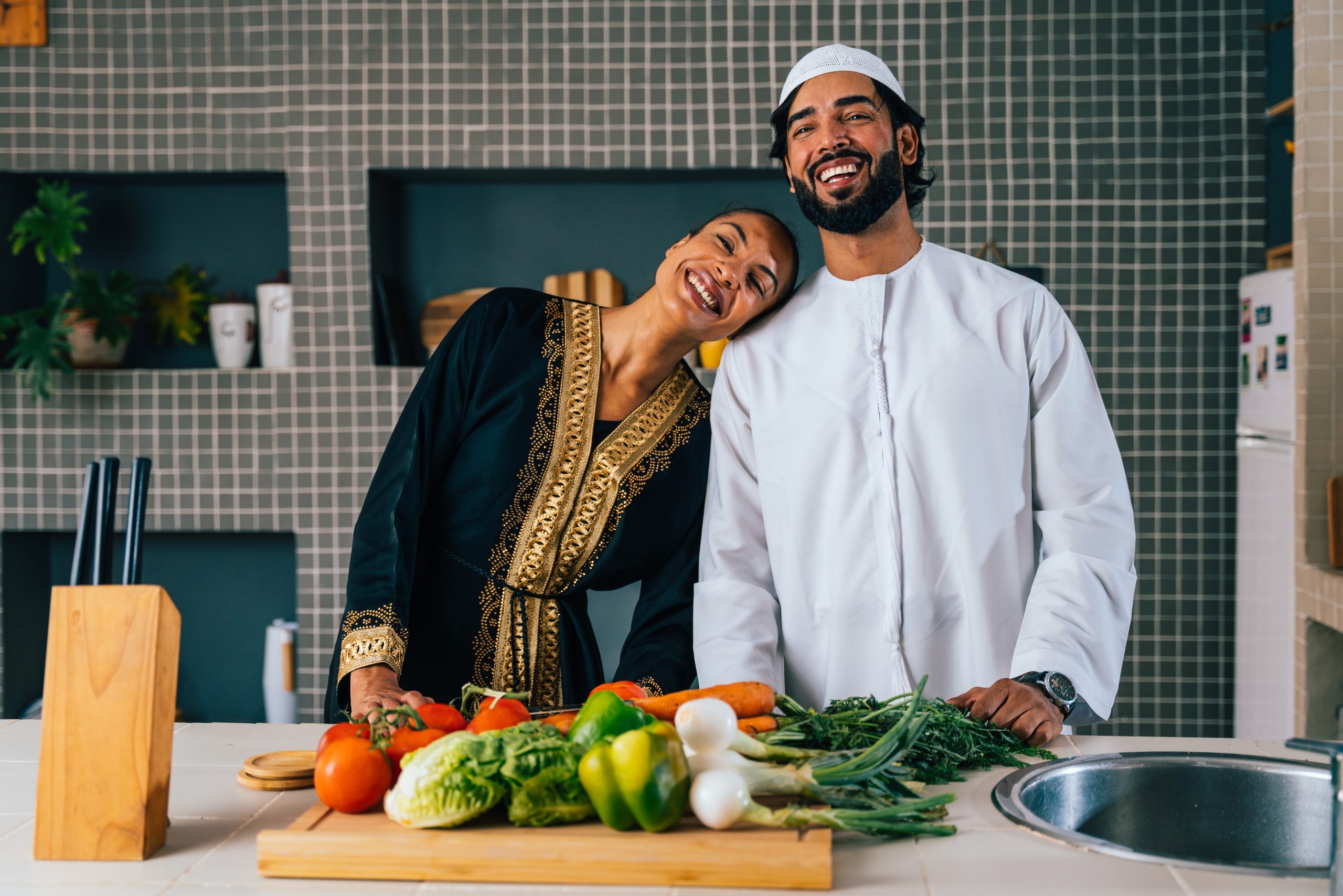


Gone are the days of classified ads and agency fees. For recruiting Halal chefs, social media has become the most powerful, targeted, and authentic marketplace—a digital souq where skill, philosophy, and community intersect. It’s not just a posting board; it’s a dynamic ecosystem for discovery, verification, and engagement.
Here’s how to strategically harness each platform to attract top-tier Halal culinary talent.
The Core Advantage: Why Social Media Wins
Unlike traditional methods, social media offers three unique superpowers for niche recruitment:
- Visual Proof Over Paper Claims: A resume says “experienced in Halal kitchens.” An Instagram Reel shows them breaking down a zabihah lamb carcass with respect, explaining the cuts.
- Cultural & Philosophical Alignment: You don’t just assess skills; you assess values. What do they repost? Who do they follow? How do they discuss sourcing?
- Direct, Unfiltered Access: You can engage with passive candidates who aren’t job hunting and build relationships before you ever make an offer.
Platform-by-Platform Playbook
1. Instagram: The Ultimate Visual Portfolio & Discovery Engine
This is your primary hunting ground for creative talent.
How to Use It:
- Hashtag Archaeology: Don’t just search
#HalalChef. Drill down.- For Skills:
#TandoorMaster,#BiryaniSpecialist,#HalalPastry,#SmokedHalal - For Philosophy:
#EthicalEating,#HalalLifestyle,#MuslimFoodie - For Community:
#MuslimChefsOfInstagram,#DesiChefLife
- For Skills:
- Geotag Intelligence: Tap on the location tag of respected Halal restaurants (e.g., “Loyal Catering Co.”). See who posts from there—likely current staff proud of their work.
- Story & Reel Deep Dive: A polished Feed is good. Stories and Reels show process. Look for:
- Tutorials: “How I make my alcohol-free vanilla extract.”
- Sourcing: Trips to farms or halal butchers.
- Technique: The “pull” on a perfectly smoked brisket, the layering of baklava.
Recruitment Tactic: Engage authentically. Comment with substance (“The color on that seekh kebab is perfect. What’s in your marinade?”). Then move to a respectful DM: “Really admire your work. We’re building something aligned at [Restaurant]. Would you be open to a brief chat?”
2. Facebook: The Trust-Based Community Network
Facebook is the digital community center where groups hold immense power.
How to Use It:
- Join the Right Groups: Be an active member, not a spammer.
- Halal Restaurant Owners USA/Canada/UK
- Muslim Culinary Professionals Network
- [Your City] Muslim Business Network
- Create a “Hero Post”: When you post a job, make it a narrative.“Salaam, community. We’re thrilled to be expanding our team at ‘Fig & Olive’ and are looking for a sous chef who shares our deep commitment to Halal integrity and modern Levantine flavors. We believe in sourcing ethically, treating our team like family, and pushing creative boundaries. If you know a talented chef looking for a growth-oriented home, please tag them or share this post.”
- This format builds goodwill and gets shared.
3. TikTok: The Authenticity & Personality Filter
TikTok cuts through the polish. It’s where you find passionate, charismatic chefs who understand trends and virality—key for modern restaurants.
How to Use It:
- Search For:
#HalalFoodTok,#ChefTok,#KitchenHacksfrom creators with Muslim/ cultural identifiers in their bios. - Look For: Fast-paced “day in the life” videos, quick recipe tutorials, and engaging personality. A chef who can explain complex techniques in 15 seconds can likely train a line crew effectively.
- Action: Duet or stitch a video with a thoughtful comment/question. The platform rewards engagement.
4. LinkedIn: The Professional Credibility Platform
Use LinkedIn to validate what you find on visual platforms and source seasoned professionals.
How to Use It:
- Cross-Reference: Found a great Instagram profile? Find them on LinkedIn to see their formal work history, recommendations, and professional connections.
- Post Thought Leadership: Don’t just post jobs. Share your restaurant’s story: “A look at how we audit our Halal supply chain.” This attracts chefs who care about the “why.”
- Use Advanced Search: Filter by title (Pastry Chef), keywords (Halal), and location.
The “Social Media Vetting” Checklist: What to Look For
Use a candidate’s social presence to answer these questions:
✅ Green Flags (Hire Signals):
- Ingredient Transparency: Regularly tags or shouts out specific Halal suppliers (
@halalpastures,@oneStopHalal). - Knowledge Sharing: Posts educational content (e.g., “Difference between MSC and Halal certified fish”).
- Community Engagement: Actively supports other Muslim/halal food businesses—shows they’re networkers.
- Professional Pride: Photos/videos from a clean, organized professional kitchen.
- Adaptation Innovation: Posts like “My 3rd attempt at a perfect pectin-based glaze, no gelatin!” show problem-solving.
❌ Red Flags (Proceed with Caution):
- No Social Presence: For a modern chef, this is increasingly rare and can indicate a lack of engagement with the culinary community.
- Inconsistent Messaging: Personal account conflicts with professional persona (e.g., promoting non-Halal products heavily).
- Passive Consumption Only: Only reposts, never creates original content. May lack creative drive.
- Poor Online Etiquette: Argumentative comments, unprofessional responses to criticism.
The Proactive Campaign: “Social Recruiting” in Action
Don’t wait for a job opening. Build a talent pipeline.
- Create a “Talent Wishlist” Private Instagram List: Curate 20-30 dream-candidate profiles. Engage with their posts meaningfully every few weeks.
- Showcase Your Kitchen Culture: The best way to attract talent is to be attractive. Post behind-the-scenes content:
- “Meet Ahmed, our head chef, reviewing this week’s Halal certs from our farm partners.”
- *”The precision and care that goes into our haleem, slow-cooked for 12 hours.”*
- This markets you as an employer of choice.
- Run a Targeted “Talent Spot” Ad: On Facebook/Instagram, you can run a page post engagement ad targeted to people whose interests include: “Halal food,” “Culinary Arts,” “Zabihah,” and who live in your region or follow competitors’ pages. Don’t ask for applications—ask for engagement on a post about your kitchen’s mission.