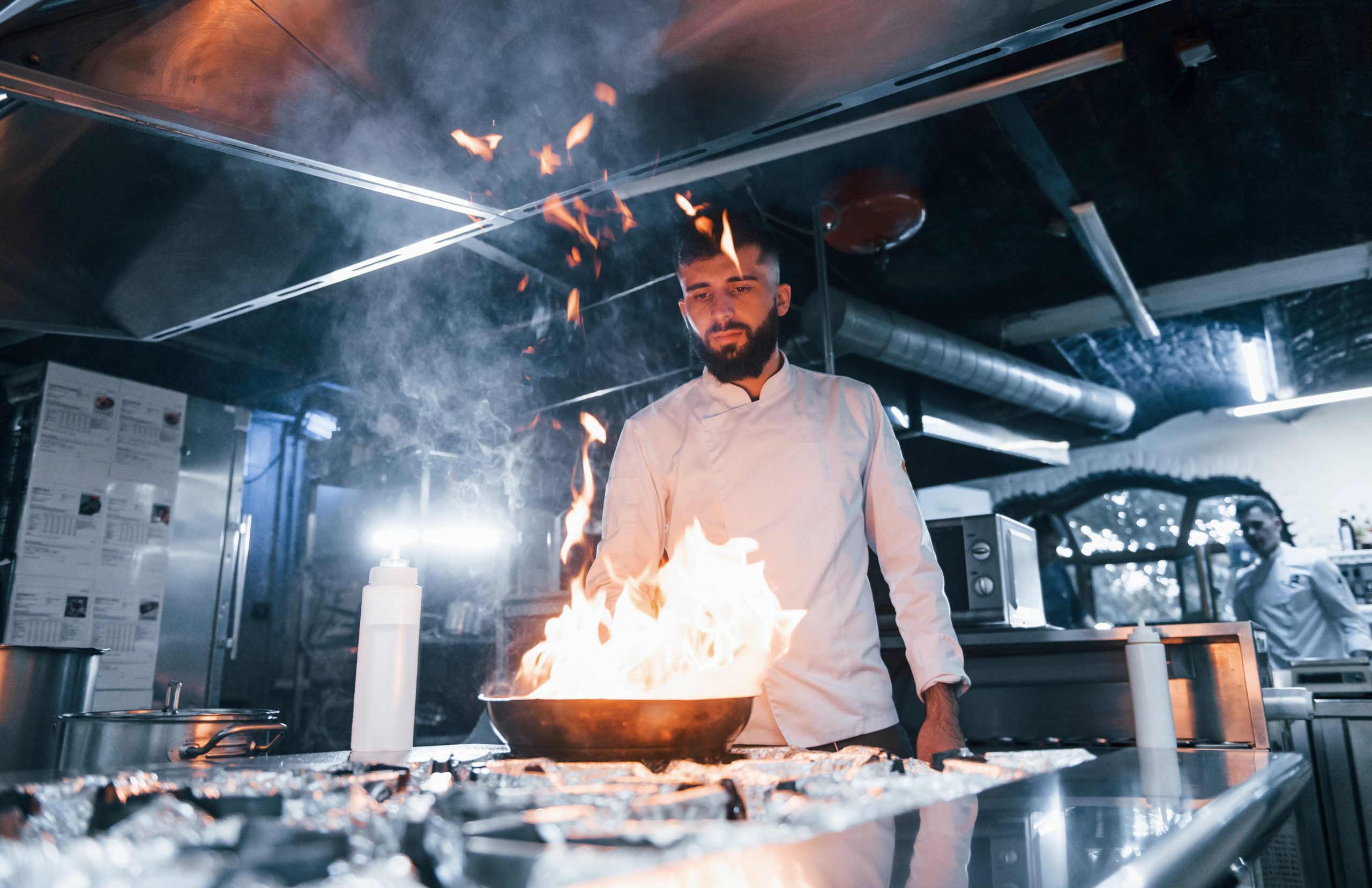
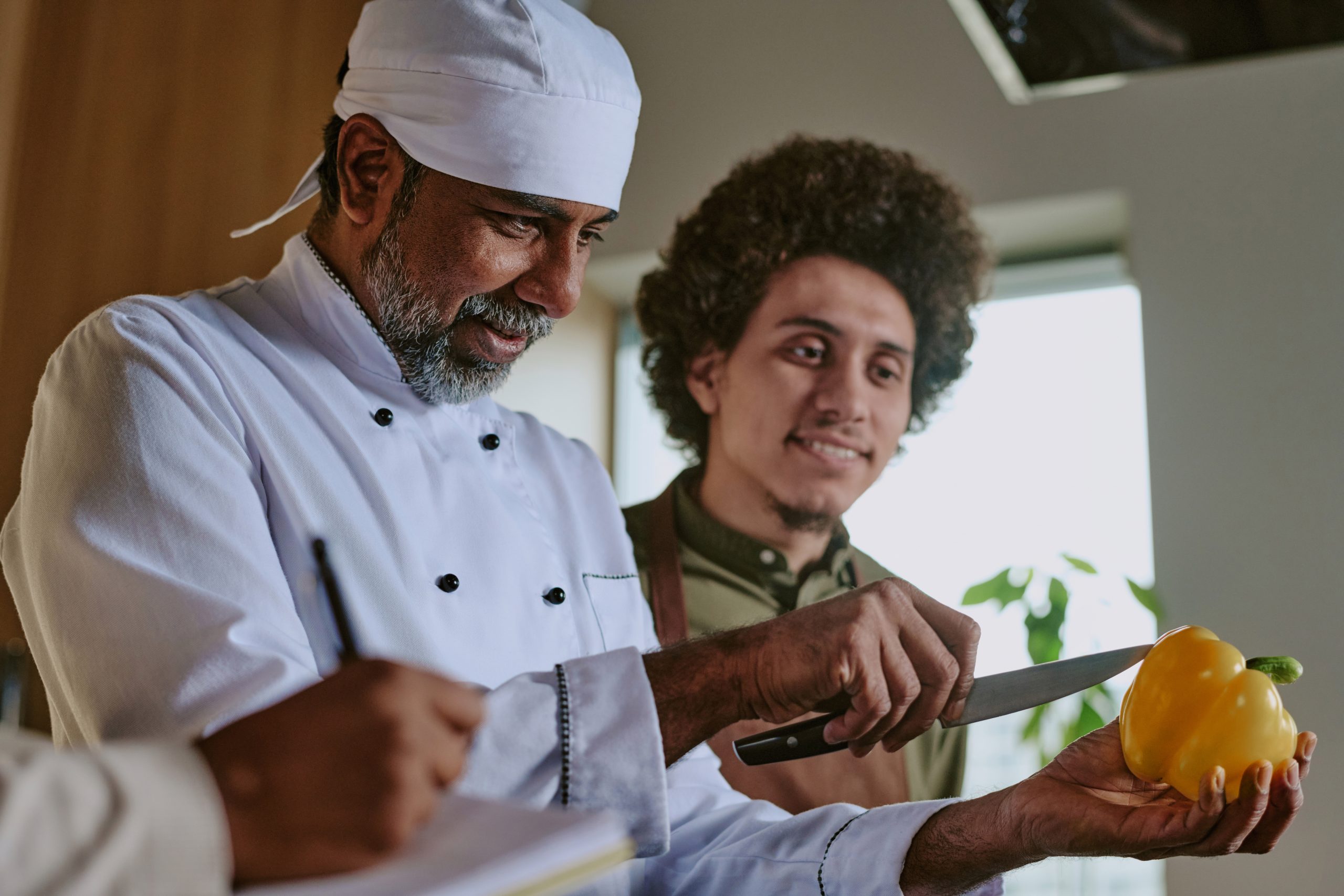
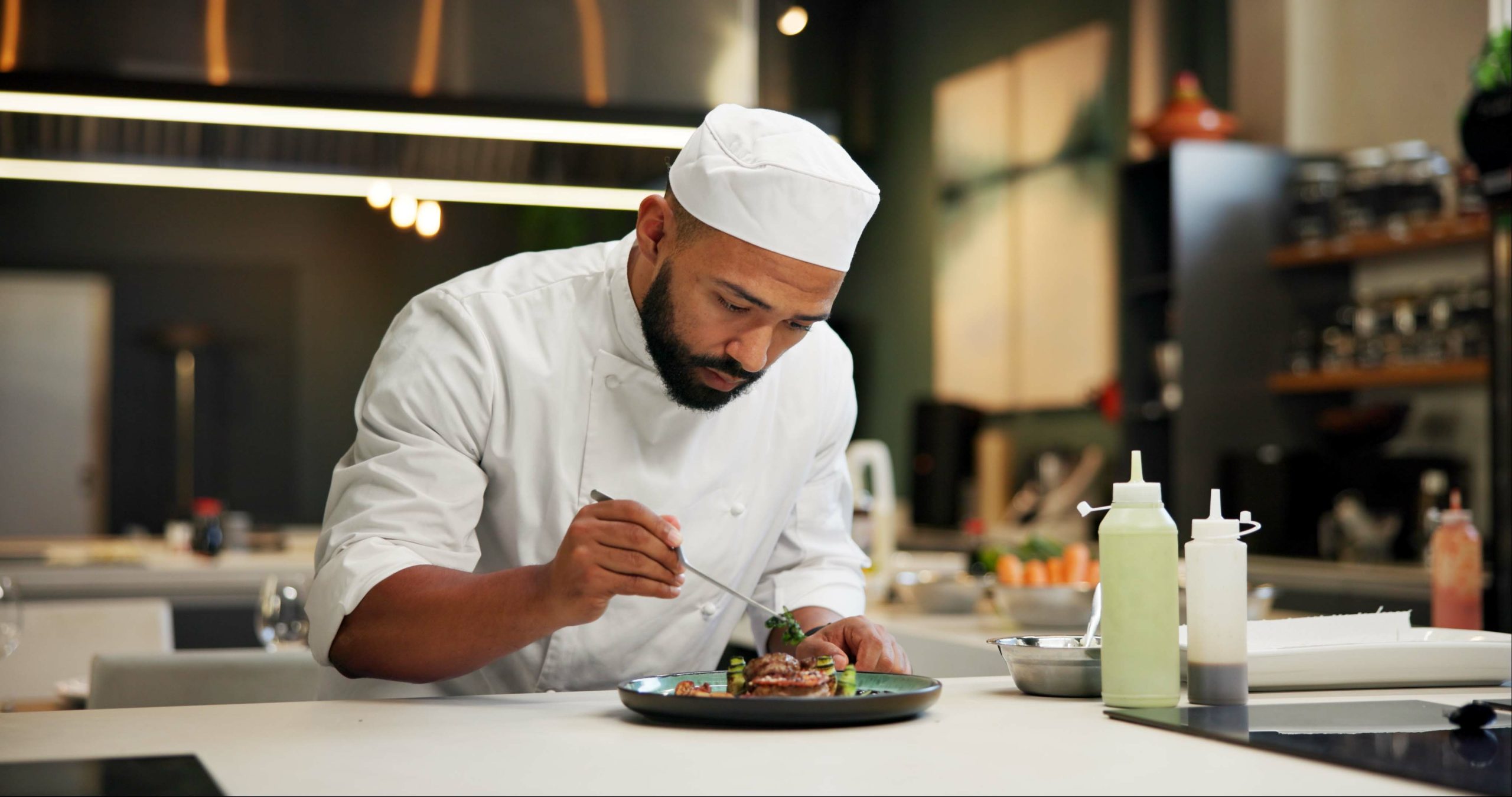

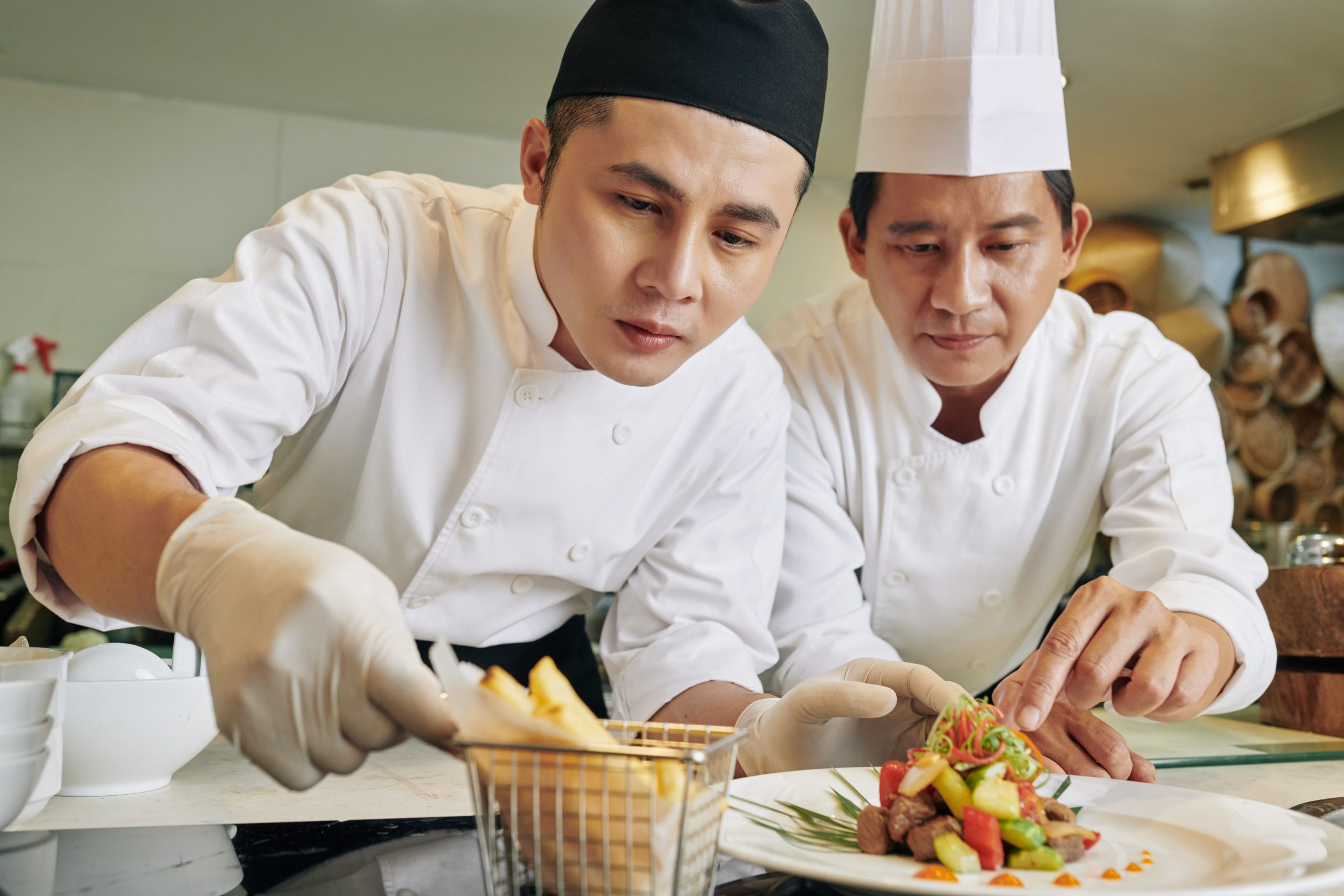
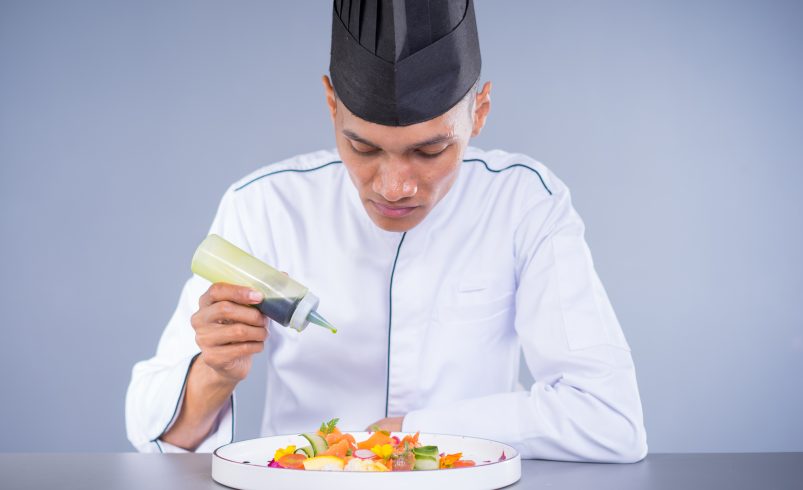

In Halal fine dining, the prohibition of certain ingredients is not a limitation—it is the foundation of a unique creative discipline. The chef is not avoiding; they are reimagining.
A world-class Halal fine dining chef must master three interconnected realms:
- The Technical Pinnacle: Mastery of global haute cuisine techniques—sous-vide, fluid gels, precise emulsions, consommés—all built from a Halal-first pantry.
- The Ethical Supply Chain: An obsessive, scholarly knowledge of sourcing. This goes beyond Halal meat to encompass: fish sauce alternatives, alcohol-free wine reductions, verified broths and stocks, and the micro-traceability of every emulsion and powder.
- The Narrative of the Plate: The ability to craft a tasting menu that tells a story—of a region, a season, or a technique—while seamlessly weaving in the why of its Halal integrity as a point of pride, not apology.
Step 1: Define Your Culinary Thesis
Your restaurant’s “thesis” will attract chefs whose philosophy aligns. You’re not just serving food; you’re presenting an argument.
- Articulate Your Concept with Precision:
- Modernist Interpretations: “Reinterpreting the Ottoman sofra through modernist technique.”
- Terroir-Driven: “A California tasting menu showcasing local, sustainable ingredients through a Halal lens.”
- Global Fusion with Integrity: “Where Kyoto kaiseki discipline meets Persian flavor poetry, with Halal at its core.”
- Hyper-Regional: “A deep dive into the forgotten royal dishes of the Deccan plateau, presented with contemporary finesse.”
- Craft a Manifesto, Not Just a Job Post:
- Title: “Chef de Cuisine – Halal Modernist Tasting Menu,” “Executive Chef – Terroir-Focused Halal Fine Dining,” “Culinary Director – Ethical Haute Cuisine.”
- The Pitch: Start with your philosophy. “We are seeking a chef for whom ‘Halal’ is the starting point for unparalleled creativity, not a checklist of restrictions. You will lead a mission to define the future of ethical fine dining.”
- Non-Negotiables: “Must demonstrate proven ability in: developing 8+ course tasting menus, managing a mise en place for hyper-seasonal ingredient changes, and establishing direct relationships with specialty Halal and organic farms.”
Step 2: The Hunt: Where to Find a Unicorn
This talent is not browsing job boards. You must engage in a targeted search.
- The Competitive & Collegial Circuit:
- Dine at the Best (Halal and Non-Halal): Identify chefs at top-tier restaurants whose menus already showcase technical brilliance with vegetable-forward, seafood-centric, or creatively sauced dishes. Their skills are transferable; their mindset may be aligned.
- High-End Culinary Competitions: Look for chefs competing in events like Bocuse d’Or or regional challenges, who may be personally observant and creatively constrained in those settings.
- The Academic & Thought-Leadership Sphere:
- Culinary Institutes & Master Classes: Instructors at top schools (CIA, Le Cordon Bleu) often consult. A chef-instructor with a personal interest in Halal ethics could be a perfect candidate to build a program from scratch.
- Food Science & Ethics Conferences: Engage with speakers or attendees discussing sustainability, food ethics, and traceability—the natural overlap with Halal principles.
- The Digital Deep Dive:
- Instagram & LinkedIn (Advanced Search): Use Boolean searches on LinkedIn:
"tasting menu" AND ("sous chef" OR "cdp") AND (Muslim OR "halal aware"). On Instagram, look for chefs who post #PlatedDesserts, #FineDiningChef, #ModernistCuisine—then scrutinize their bio and comments for cultural or ethical cues. - Specialty Publications & Blogs: Chefs writing thoughtful pieces on ethical sourcing or the future of gastronomy often have the mindset you need.
- Instagram & LinkedIn (Advanced Search): Use Boolean searches on LinkedIn:
Step 3: The Audition: A “Stage” of Philosophy and Skill
The standard cook-off is insufficient. You need a “Thesis Defense in the Kitchen.”
Part 1: The “Intellectual Dish” Presentation.
Before they touch a pan, present them with a challenge: “Design one course for a ‘Forest & Field’ tasting menu. The protein must be Halal lamb. You have no budget for luxury imports. Source conceptually from our regional farmers’ market. Present your dish idea, its story, its technical method, and a complete Halal ingredient breakdown with backup supplier plans.”
This assesses their creativity, narrative skill, and sourcing intellect.
Part 2: The Precision & Pivot Practical.
- The Foundation Test: A classic test of finesse. Ask for a perfect chicken consommé or a hand-rolled pasta (like agliolio). This reveals their baseline technical level, cleanliness, and respect for fundamental craft.
- The Improv Test: Provide a “market basket” of 3-5 seasonal, local ingredients and one premium Halal protein (e.g., duck breast, venison loin). Give them 90 minutes to conceive and execute one composed plate. This tests their creativity under pressure, flavor pairing intelligence, and plating artistry.
Observe the Unobservables:
- Waste & Respect: How do they treat trim? Are they extracting every gram of flavor?
- Team Communication: Even in a test, do they work cleanly and communicate if using shared space?
- Curiosity: Do they ask about your specific equipment, water pH, or preferred olive oil?
Step 4: The Interview: Conversing at Altitude
The interview is a dialogue between visionaries.
- On Philosophy & Limitations: “Fermentation and aging are pillars of modern fine dining. Many techniques rely on non-Halal enzymes or alcohol. How do you approach building umami and complexity within our framework?”
- On Sourcing as Storytelling: “Walk me through how you would source and vet a single ingredient—say, vinegar for a gastrique—to meet our standards. Then, tell me how you would feature that story on the menu or in a server’s pre-shift.”
- On Menu Engineering & Economics: “Our tasting menu is priced at $185. Cost of goods must be at or below 28%. How do you balance the desire for luxurious ingredients (Halal wagyu, truffles) with this reality, and what are your strategies for maximizing flavor from humble components?”
- On Leadership & Culture: “How would you instill a culture of both relentless precision and deep ethical responsibility in your brigade? How do you handle a situation where a junior cook uses a non-verified stock?”
- On the Guest Experience: “A guest tells you this is their first fine dining experience ever, and they chose us specifically because we are Halal. How does that impact your approach to their menu that evening?”
Step 5: The Vetting: A Deep Dive into Pedigree and Principle
- Reference Checks with Michelin-Level Scrutiny: Contact their former Chefs de Cuisine or Executive Chefs. Ask: “Did they contribute to menu development beyond their station?” and “How did they handle the pressure of a fully booked tasting menu service with last-minute dietary restrictions (like a vegan at a 12-top)?”
- The “Shadow” Service: Invite them for a paid “stage” during a regular service. Have them work the pass or expedite for an hour. Do they have the calm, clarity, and command required?
- Values Alignment Interview: Include a key stakeholder (owner, GM) in a final conversation not about food, but about mission. “What does ‘ethical dining’ mean to you, and where does Halal fit within that?”
The Hallmarks of the Right Candidate
🟢 The Green Flags (The Unicorn Indicators):
- Their eyes light up discussing the challenge of an alcohol-free sauce au poivre reduction.
- They can name small, artisanal Halal suppliers for niche products (Spanish saffron from a Muslim-owned co-op, verified black cod from Norway).
- They discuss flavor in terms of “emotion,” “memory,” and “terroir,” not just “sweet and sour.”
- They bring a small tasting of a house-made, Halal-compliant substitute they’ve developed (e.g., a seaweed-based “caviar,” a mushroom garum).
- They ask about your compost and recycling programs.
🔴 The Red Flags (The Deal-Breakers):
- Views Halal as a restrictive burden to be “worked around,” rather than a creative catalyst.
- Relies on luxury ingredient crutches (truffle oil, gold leaf) to signify “fine dining.”
- Has never personally called a farm or fishery to verify practices.
- Displays ego over empathy in kitchen interactions during the trial.
- Cannot articulate a clear point of view on what makes their food distinct.
Securing the Partnership: The Offer and Onboarding
- The Offer is a Covenant: This role demands partnership. Structure includes a competitive base, a percentage of food cost savings, and a clear path to equity or profit-sharing. You are investing in a thought leader.
- Onboarding as Collaboration: Their first month should involve trips to farms, meetings with suppliers, and tastings with the front-of-house team to build a unified narrative.
- Marketing as Curation: This chef is your co-creator. Launch with a chef’s table series titled “The Ethical Epicurean,” featuring them explaining the philosophy behind each dish. Their intellectual property is your brand’s cornerstone.
Final Reflection: Hiring a chef for Halal fine dining is the most significant decision you will make. It is a search for an alchemist who can turn ethical rigor into edible gold. When you find the chef who speaks of dashi with the same reverence as zabihah, and who sees a tasting menu as a journey of both the palate and the principle, you have not just filled a position—you have ignited a movement.