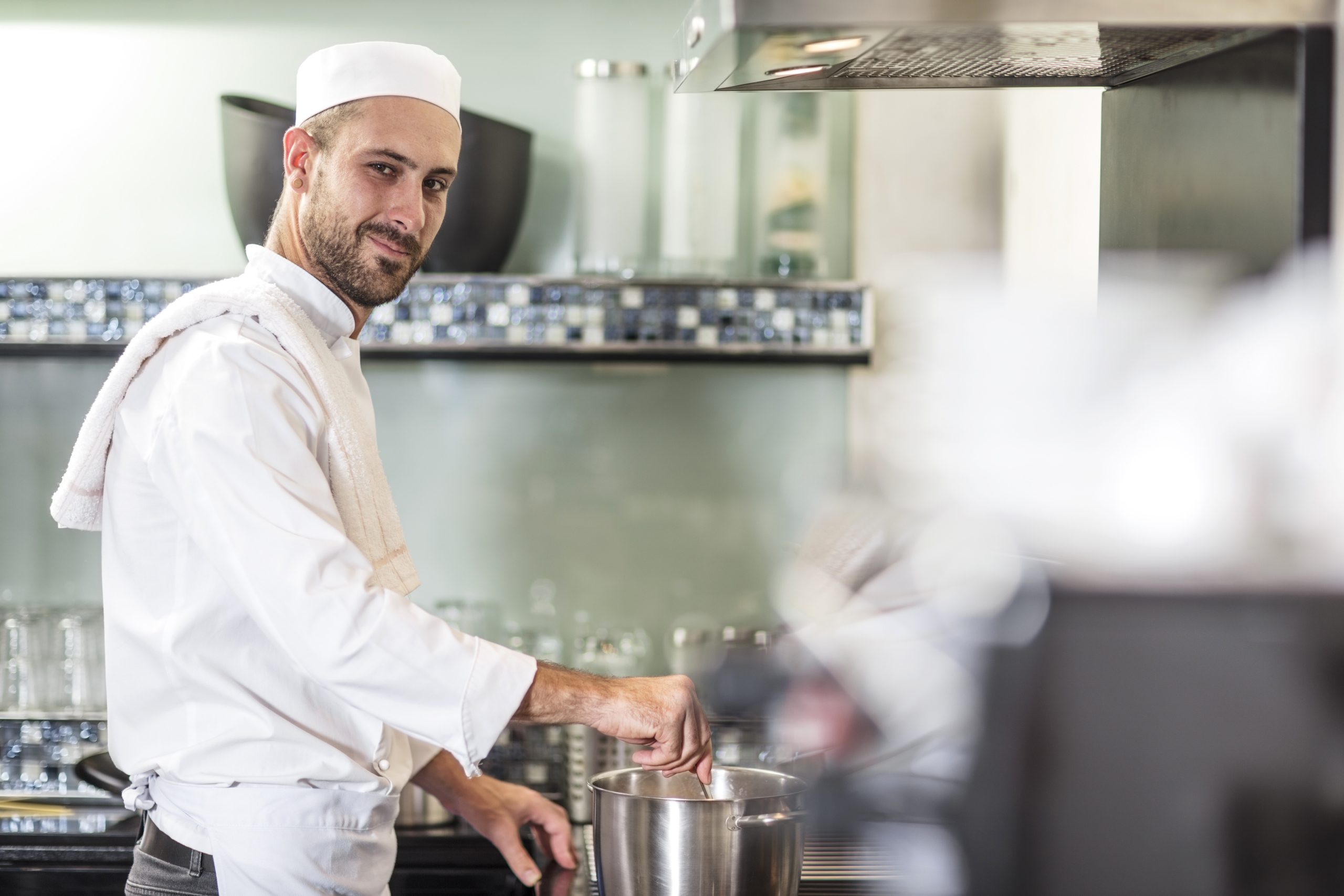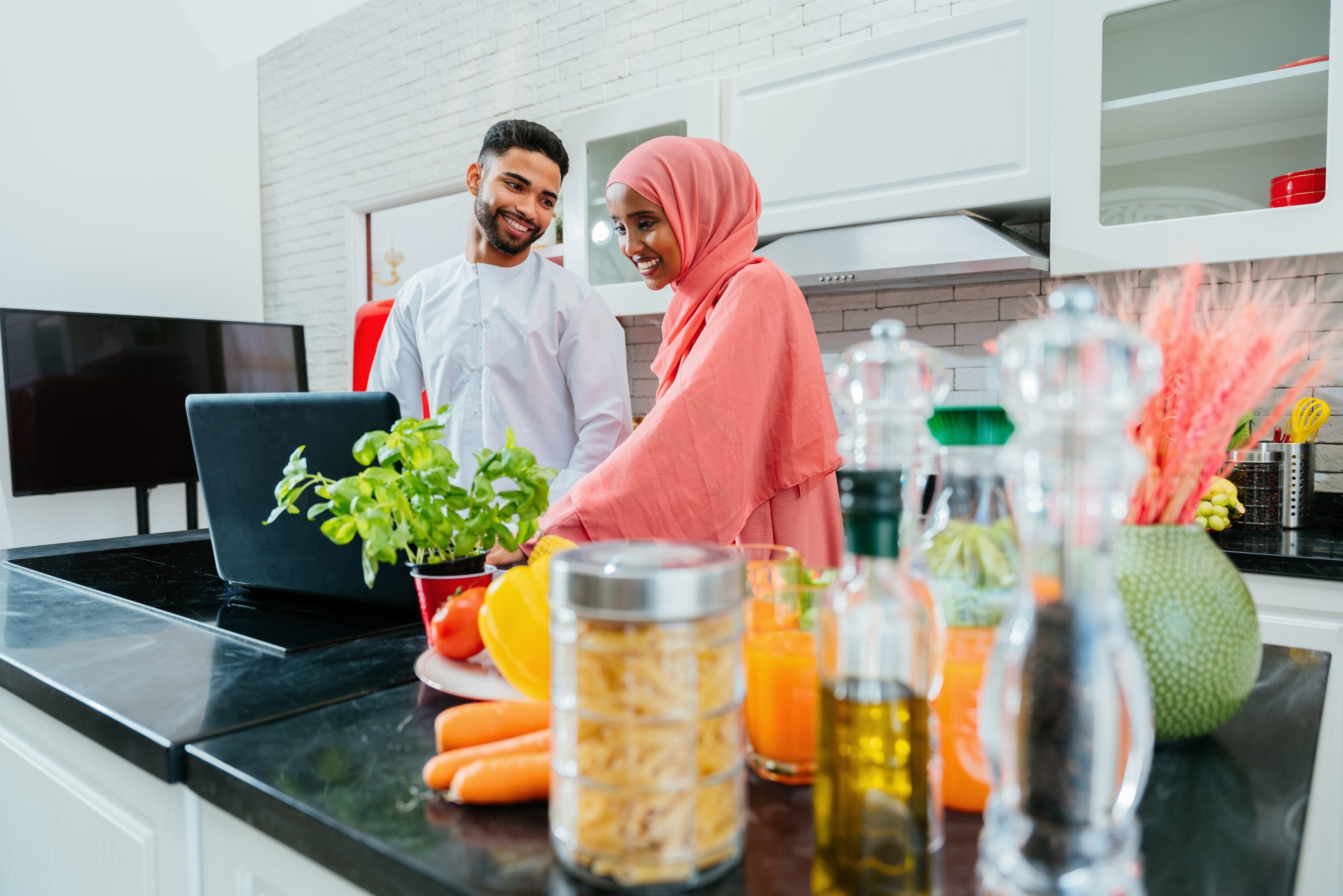
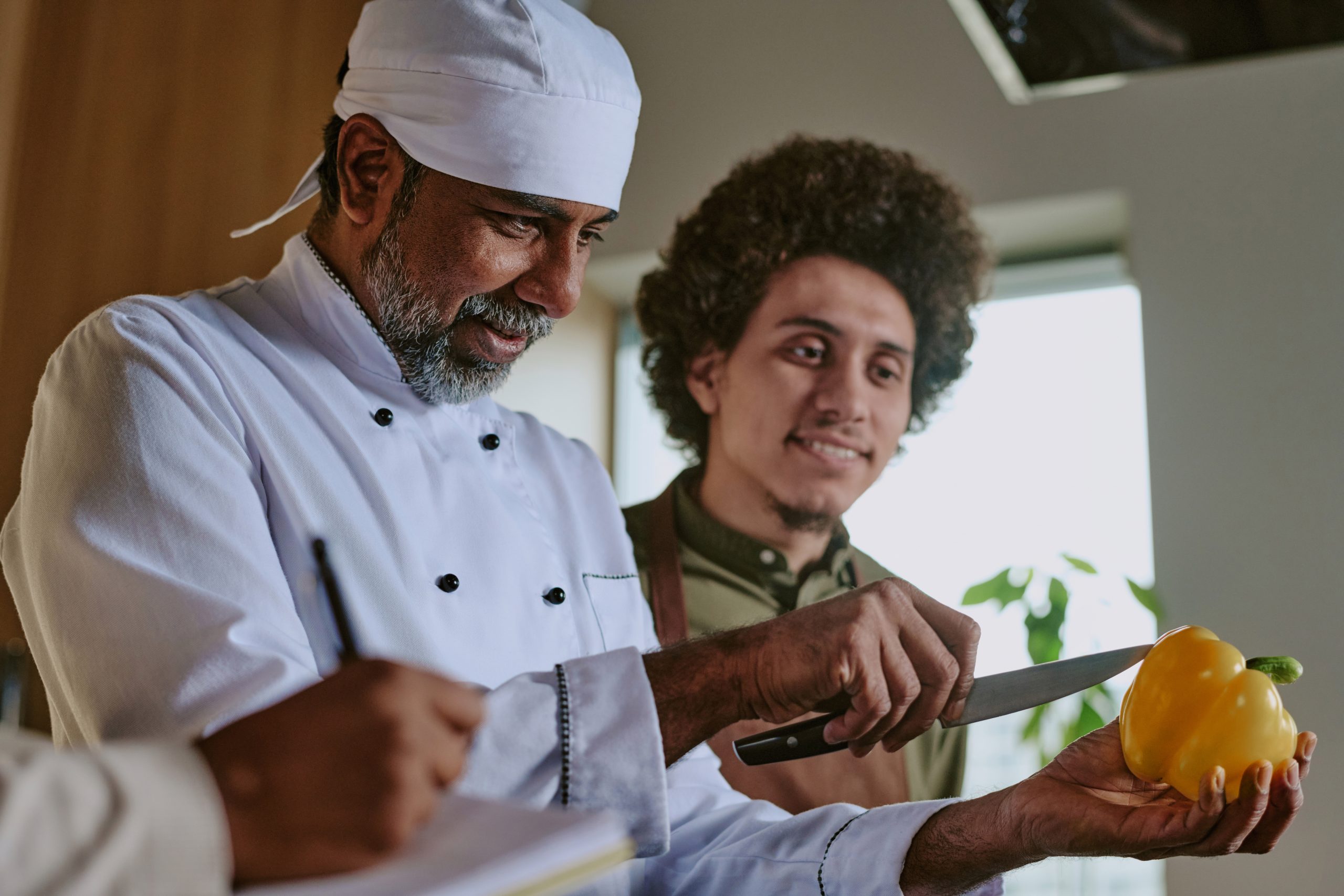
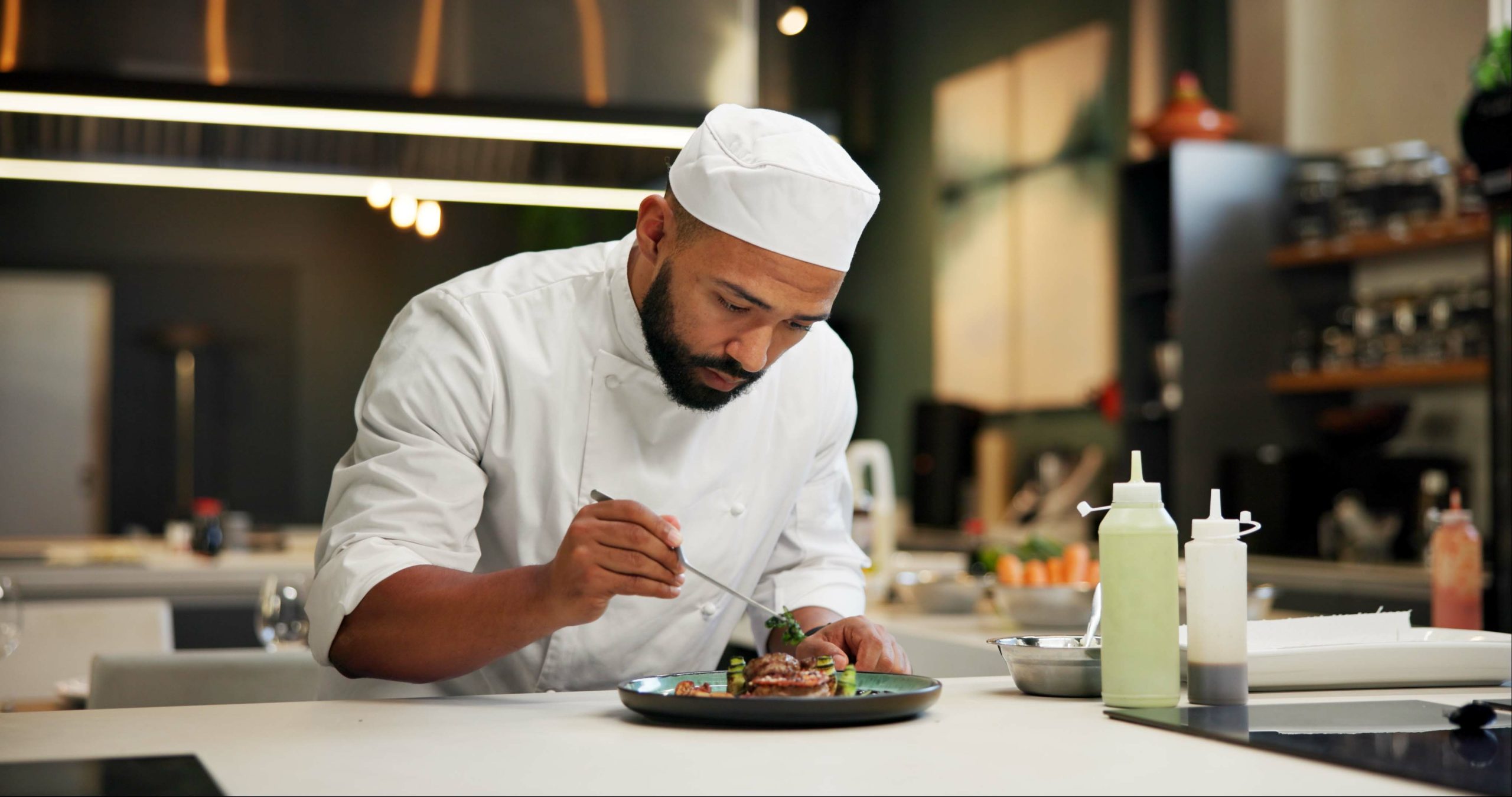

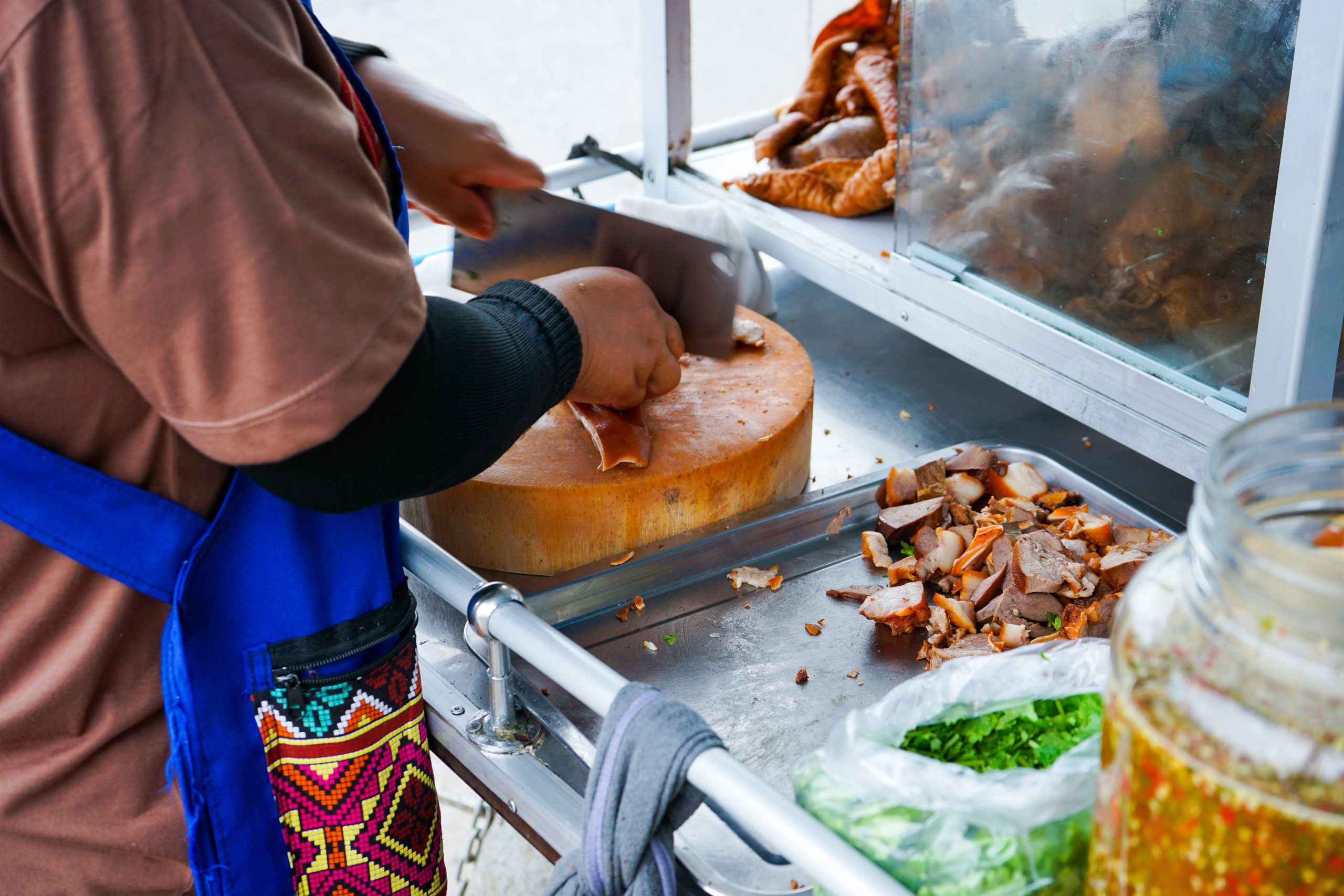
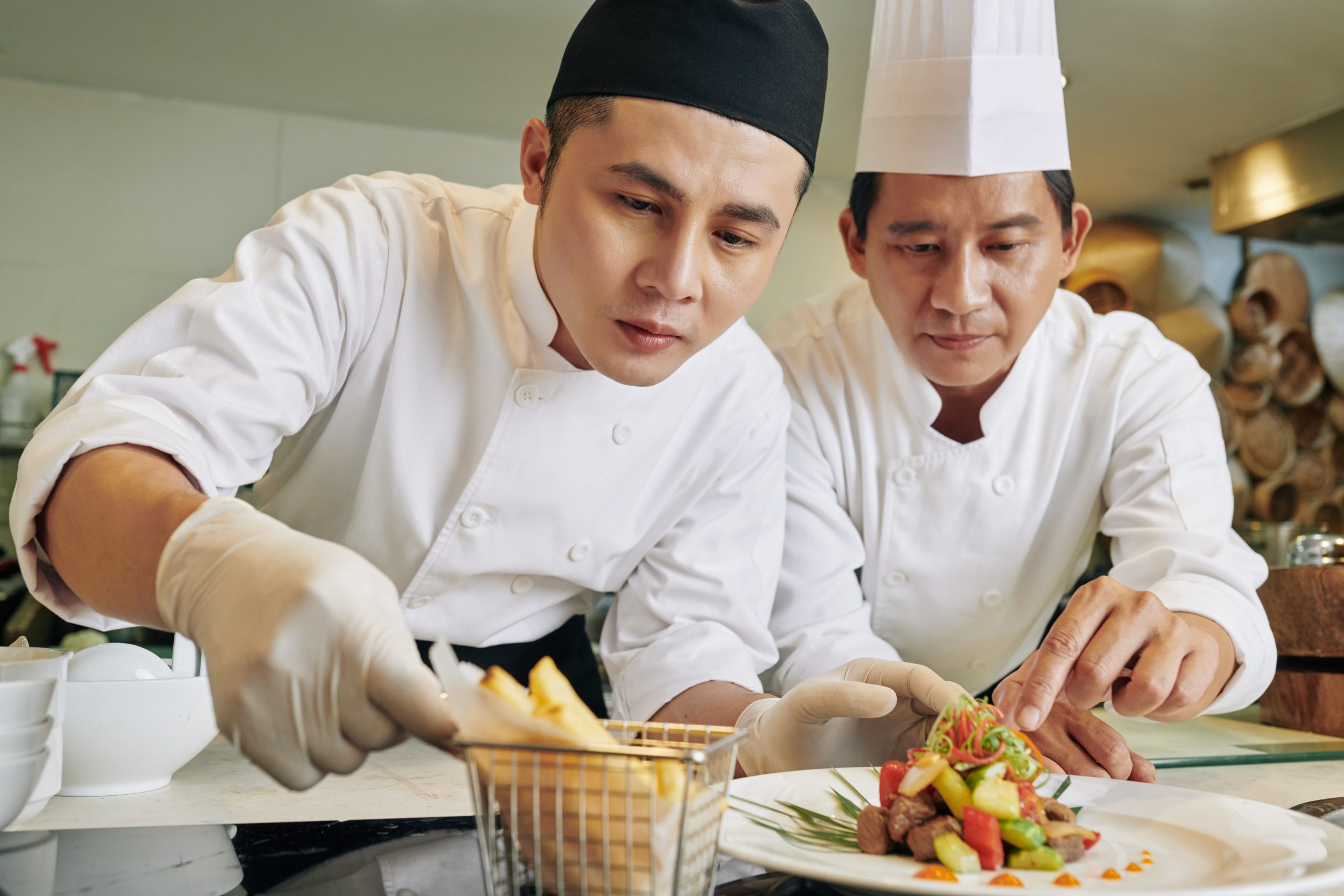

In a Halal restaurant, the chef’s role transcends culinary artistry to become a Guardian-Artist—a leader equally accountable for spiritual integrity and gastronomic excellence. This dual mandate demands a unique leadership style that blends unyielding ethical stewardship with inspirational creative vision. Failure in either domain risks the entire enterprise.
Here is the framework for effective chef leadership in the Halal culinary space.
The Pillars of Halal Chef Leadership
1. The Guardian: Upholding the Covenant of Trust
The chef is the final, living checkpoint for Halal integrity. This is a sacred, non-delegable duty.
- Embodied Authority: The chef must personally model the protocols. They are the first to check a certificate, the most meticulous with color-coded tools, and the last to leave after verifying cleanup. Their behavior sets the uncompromising standard.
- The “Explainable ‘Yes'” Doctrine: For any ingredient or process, the chef must be able to trace and explain its compliance from source to plate—to a team member, a guest, or an auditor. “Because the supplier said so” is an unacceptable answer.
- Crisis Commander: In a potential breach, the chef must execute with calm, surgical precision: Contain, Communicate, Correct, Learn. They protect the guest first, the team second, and the brand always.
2. The Artist: Driving Culinary Distinction
Halal cannot be the only story. The chef must also be a relentless innovator and craftsman.
- Innovation Within the Framework: The greatest creative challenge is achieving depth, umami, and texture within Halal boundaries. The chef leads the R&D into alcohol-free reductions, gelatin alternatives, and groundbreaking flavor combinations that stand on their own merit.
- Storytelling Through Food: Each dish should tell a dual story: one of authentic technique and one of ethical provenance. The chef trains the staff to narrate this: “This braise uses a date glaze, not wine, and the lamb is from a family farm audited by ISWA.”
- Curator of Consistency: In a market where trust is paramount, flawless consistency is a form of respect. The chef is the keeper of standards, ensuring the 500th biryani is identical to the first.
The Leadership Behaviors That Bring Pillars to Life
A. Transparent & Pedagogical Leadership
- The “Open-Book Kitchen”: Post supplier certificates, audit reports, and sourcing stories visibly in the staff area. Demystify the integrity chain.
- Daily Teaching Moments: Use pre-shift huddles for 90-second lessons: “Today’s special uses saffron from a co-op in Kashmir. Here’s their certification. This is why it costs what it does.”
- Answering “Why?” with Depth: When a cook asks “Why can’t we use this broth?” the answer isn’t “It’s haram.” It’s: *”Because its emulsifier, E471, can be pork-derived. Our alternative uses sunflower lecithin. Let me show you the spec sheet.”*
B. Cultural Bridge-Building
- Unifying Diverse Brigades: Halal kitchens often blend teams from diverse Muslim and non-Muslim backgrounds. The chef must be a cultural translator, fostering mutual respect and a shared mission that rises above individual differences.
- Respect for Ritual: Proactively schedule around prayer times, design effective Ramadan work schedules (shorter, intense shifts with proper iftar provisions), and acknowledge cultural holidays. This isn’t accommodation; it’s inclusive leadership.
C. Decision-Making: The Ethical Calculus
Every operational decision is filtered through a dual lens:
- The Integrity Lens: Does this choice uphold or compromise our Halal promise?
- The Excellence Lens: Does this choice elevate or diminish the guest experience?
- Example (Cost Saving): A cheaper vanilla extract is available, but it uses alcohol-based extraction.
- Guardian’s Verdict: No. Integrity breach.
- Artist’s Action: Source a premium, alcohol-free extract and adjust other costs to compensate, or develop a house-made vanilla paste.
The Chef’s Strategic Toolkit: Systems for Success
| Leadership Task | Tool/System | Purpose |
|---|---|---|
| Maintaining Integrity | Digital Halal Compliance Platform (e.g., a shared drive with certs, a simple app). | Creates a single source of truth; makes audits instantaneous. |
| Ensuring Consistency | Visual Recipe Guides (photos/videos of each dish at each stage). | Removes language/experience barriers; guarantees plate uniformity. |
| Building Team Skill | Skills Matrix & Progression Plan (a chart tracking who can do what). | Identifies training gaps; creates clear career paths within the kitchen. |
| Managing Costs Ethically | “Waste Ledger” & “Whole-Animal/Vegetable” Utilization Charts. | Tracks waste to find savings; inspires creativity with trim; honors the ingredient. |
| Crisis Management | Breach Protocol Flowchart (posted visibly). | Provides calm, step-by-step guidance during high-stress incidents. |
Navigating Unique Leadership Challenges
- Challenge: The “But Back Home…” Argument.
- Scenario: A cook insists their traditional method (using a non-compliant ingredient) is the only “authentic” way.
- Leadership Response: “Your knowledge is valued. Here, our authenticity includes our covenant with the guest. Let’s be the chefs who solve the puzzle of making it authentic and compliant. That will be our legacy.”
- Challenge: Guest Skepticism.
- Scenario: A guest questions the Halal credibility at the table.
- Leadership Response: The chef should welcome the opportunity. Invite the guest (politely) to a quick kitchen tour, show them the color-coded system, the certificate board. Turn doubt into your most powerful marketing moment.
- Challenge: Supplier Shortcut Pressure.
- Scenario: A long-time supplier asks you to overlook an expiring certificate “just this once.”
- Leadership Response: “Our entire business is built on ‘never once.’ I need you to be a partner in that, or I need to find a partner who is.” This defines your brand’s character.
Measuring Leadership Success: Beyond the P&L
Track these metrics to gauge a Halal chef’s leadership effectiveness:
- Team Turnover Rate: Low turnover indicates a respected, well-led culture.
- Protocol Audit Scores: Consistent 95%+ scores show systemic discipline.
- Ingredient Yield Percentage: High yields show skilled, respectful utilization of Halal proteins.
- Guest Comment Themes: Are reviews praising both “amazing flavor” and “total confidence”?
- Media & Community Recognition: Is the chef/restaurant cited as an authority on Halal dining?
The Final Command: The Leader’s Legacy
A successful Halal chef-leader builds more than a menu; they build an institution of trust. Their legacy is a kitchen that runs with such ingrained integrity that the protocols become invisible, leaving only the brilliance of the food and the palpable feeling of respect in the room.
They prove, daily, that the highest standards of faith and the highest standards of cuisine are not just compatible—they are synergistic. The constraints become the catalyst for unparalleled creativity and operational excellence.
Your leadership is the keystone. Hold it firmly, with both the conviction of a guardian and the curiosity of an artist. The future of Halal dining will be shaped by those who can masterfully bear both weights.