

Not every halal chef hire looks the same. A restaurant preparing for a packed month of iftars needs something very different from a catering company staffing an upscale wedding reception, and both are different still from a business trying to develop an authentic halal menu strategy from scratch. Understanding these distinctions — and knowing exactly what to look for in each case — makes the difference between a smooth hire and a stressful scramble.
This guide covers three of the most common and specialized hiring needs we see: how to hire Ramadan chef talent for the busiest culinary season of the year, what separates a genuine halal fine dining chef from a general halal cook, and when it makes sense to bring in a halal food consultant rather than a chef alone.
Why Ramadan Hiring Requires Its Own Strategy
Ramadan represents one of the most demanding stretches of the culinary calendar for any restaurant or catering business serving Muslim communities. Iftar service compresses an enormous volume of food preparation and service into a narrow evening window, night after night, for an entire month — and getting it wrong doesn’t just disappoint customers, it can damage a restaurant’s reputation during its most visible season.
When you hire Ramadan chef talent, look specifically for:
Experience with high-volume, time-compressed service. Ramadan iftar service isn’t a typical dinner rush — it’s a concentrated surge that requires a chef comfortable managing volume without sacrificing quality or timing.
Menu range across the Ramadan period. Suhoor and iftar menus often differ, and guests expect variety across an entire month rather than a repeated rotation of the same handful of dishes.
Genuine familiarity with traditional Ramadan dishes. Depending on your restaurant’s cuisine focus — South Asian, Middle Eastern, or fusion — look for a chef whose specific experience matches your menu direction rather than general halal cooking experience alone.
Flexibility for short-term or seasonal contracts. Not every business wants a full-time hire purely for a one-month season. Understanding temporary halal chef staffing options and short-term contract structures can be a smarter, more flexible approach for many restaurants and caterers.
What Makes a True Halal Fine Dining Chef
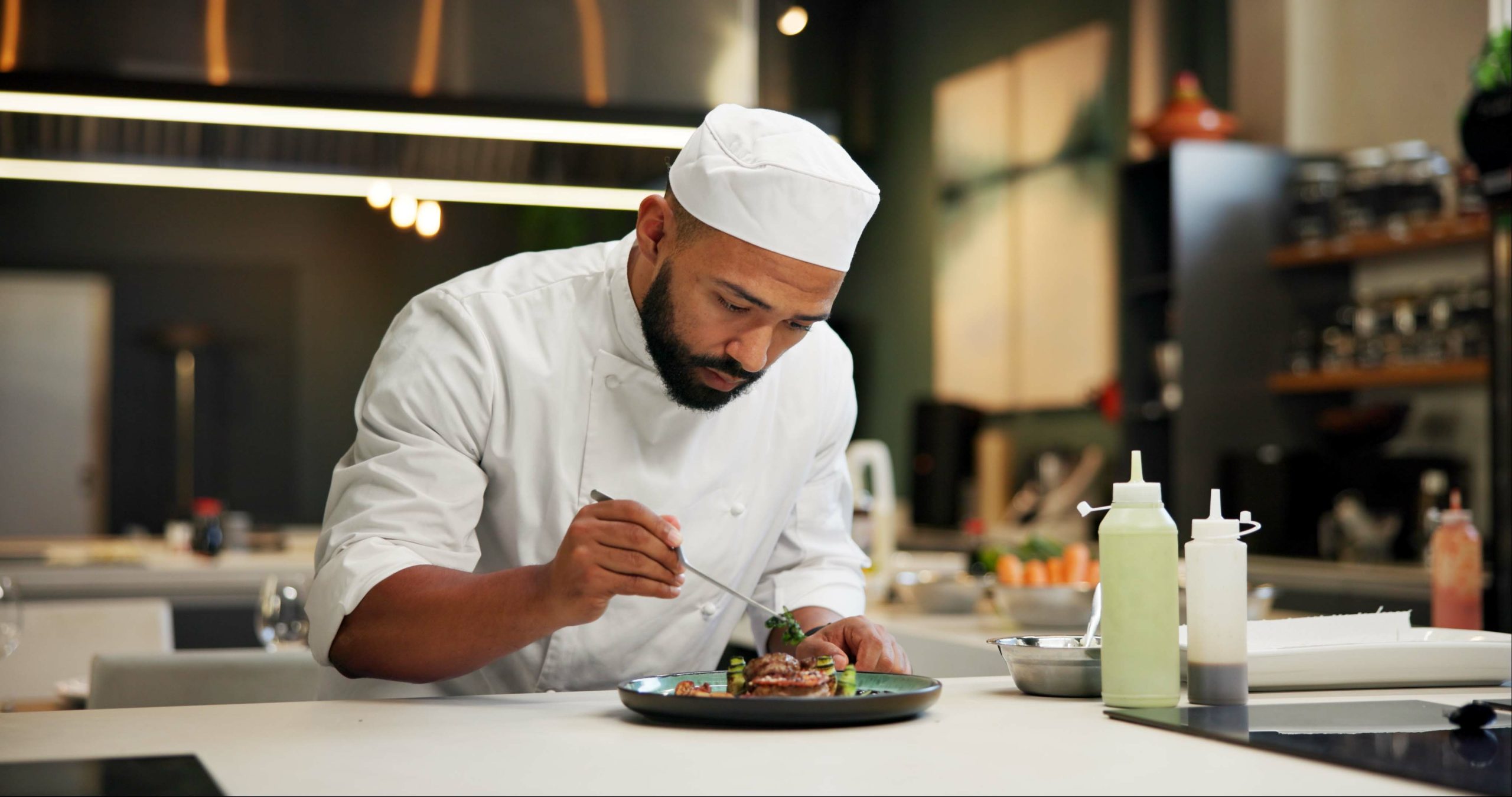
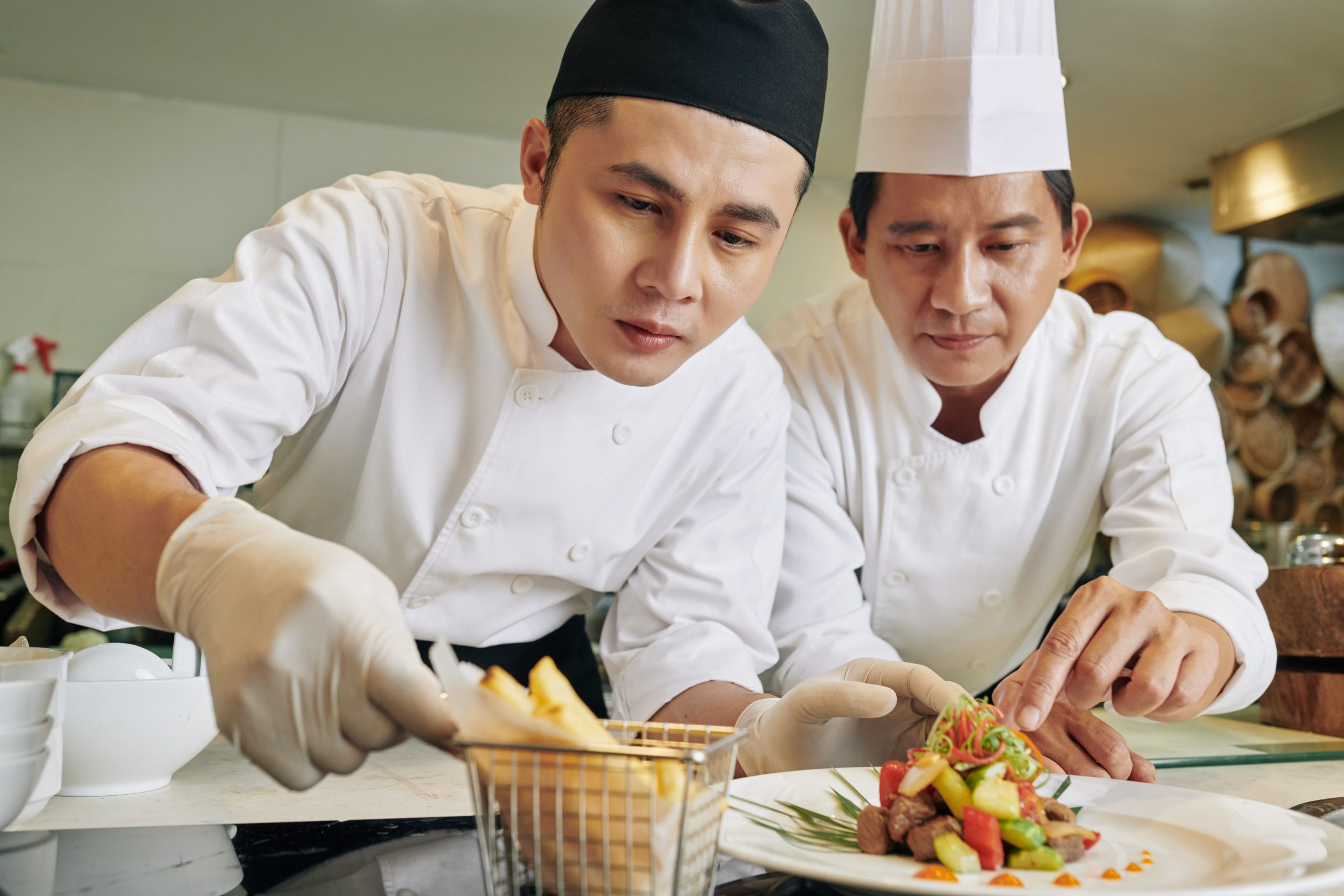
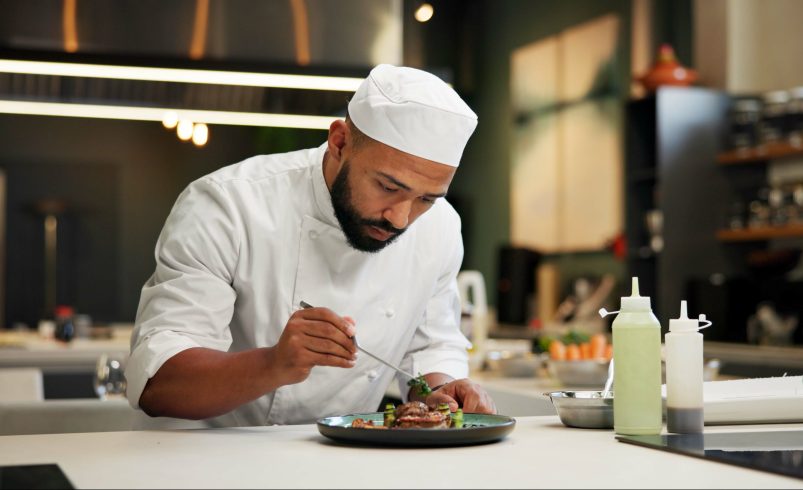
There’s a meaningful gap between a chef who can prepare halal-compliant food competently and one who can execute at a genuine fine dining level. A halal fine dining chef needs to combine two distinct skill sets that don’t always overlap:
Technical fine dining execution. Plating precision, sauce work, protein cookery, and the kind of refined presentation expected in upscale dining rooms — skills built through formal training and high-end kitchen experience.
Deep halal compliance knowledge. Beyond simply sourcing halal-certified proteins, a genuine specialist understands cross-contamination prevention, ingredient sourcing nuances, and how to maintain compliance standards even in a demanding, fast-paced fine dining kitchen.
When evaluating candidates for this kind of role, a few questions help separate genuine fine dining specialists from general halal cooks:
- Can they describe specific fine dining establishments or high-end catering environments where they’ve worked?
- Do they understand plating and presentation standards at the level your establishment requires?
- Can they speak knowledgeably about maintaining halal integrity within a demanding, high-volume fine dining kitchen — not just ingredient sourcing, but full kitchen workflow?
- Have they trained or supervised other kitchen staff in halal-compliant fine dining standards?
For more detail on evaluating culinary skill specifically, our post on how to evaluate a halal chef’s culinary skills walks through a practical two-track assessment approach worth applying to fine dining candidates especially.
When to Bring in a Halal Food Consultant Instead of (or Alongside) a Chef
A halal food consultant serves a different function than a chef, and understanding this distinction helps businesses make the right hiring decision. While a chef executes menu items in the kitchen day to day, a consultant typically focuses on:
Menu strategy and development. Helping a business design an authentic, market-appropriate halal menu from the ground up, rather than simply preparing dishes someone else has already planned.
Compliance systems and training. Establishing kitchen workflows, staff training protocols, and ingredient sourcing systems that maintain halal integrity consistently — not just for one chef’s tenure, but as an institutionalized part of how the kitchen operates long-term.
Market positioning guidance. Advising on how to authentically represent halal offerings to customers, including certification considerations and messaging that builds trust with Muslim communities specifically.
Multi-location consistency. For restaurant groups or catering businesses operating across multiple sites, a consultant helps ensure halal standards remain consistent across locations rather than varying based on whichever chef happens to be running each kitchen.
Businesses often benefit most from a consultant when they’re launching a new halal-focused concept, expanding an existing menu to include halal options for the first time, or standardizing practices across multiple locations — situations where strategic guidance matters as much as day-to-day kitchen execution.
Common Threads Across All Three Hiring Needs
Whether you’re hiring seasonal Ramadan talent, a fine dining specialist, or bringing in consulting expertise, a few practices improve your odds of a strong match:
Write specific, not generic, job descriptions. A vague “halal chef needed” posting attracts a wide range of applicants with wildly different skill levels. Being specific about cuisine focus, service style, and volume expectations filters more effectively from the start. Our guidance on halal chef job descriptions covers this in more depth.
Ask sharper interview questions. Generic interview questions produce generic answers. Our resource on halal chef interview questions covers how to probe for the specific expertise each role actually requires.
Watch for red flags early. Certain warning signs — vague answers about specific experience, discomfort discussing halal compliance specifics, inability to speak to past kitchen environments in detail — tend to surface early in the interview process if you know what to listen for. Our post on red flags when interviewing halal chefs covers this in more detail.
Consider working with a recruitment agency for specialized roles. Fine dining and consultant-level hires in particular often benefit from working with a halal chef recruitment agency that has an established network of vetted, specialized candidates rather than relying purely on general job postings.
Building Long-Term Value Beyond the Initial Hire
Whether you’re bringing on seasonal Ramadan support, a permanent fine dining specialist, or a consultant to guide broader strategy, the hiring decision is really just the starting point. Retention, ongoing training, and clear growth paths matter just as much for keeping specialized halal culinary talent long-term. Our resources on halal chef retention strategies and creating career growth paths for halal chefs go deeper into keeping strong hires engaged well beyond their first season or their first year.
Frequently Asked Questions
How far in advance should I start hiring for Ramadan? Given the concentrated demand for experienced Ramadan chefs, starting your search several months ahead of the season gives you access to a wider, more experienced talent pool before top candidates are already committed elsewhere.
Is a halal fine dining chef more expensive to hire than a general halal cook? Typically, yes — the combination of fine dining technical skill and deep halal compliance expertise commands a premium, reflecting the specialized nature of the role. Our halal chef salary and compensation resources can help you benchmark appropriately.
Do I need both a chef and a consultant, or just one? It depends on your goals. If you’re simply staffing an existing, well-established halal menu, a strong chef alone is usually sufficient. If you’re developing new halal offerings or standardizing practices across locations, a consultant adds strategic value a chef alone typically won’t provide.
Ready to Hire the Right Halal Culinary Talent?
Whether you need seasonal Ramadan staffing, a genuine fine dining specialist, or strategic consulting to build out your halal offering the right way, understanding exactly what each role requires puts you in a much stronger hiring position. Browse our full Event & Catering Industry Hiring resources, explore Global Hiring & Culinary Expertise for specialty hiring guidance, or reach out through our Contact page to talk through your specific hiring needs.
